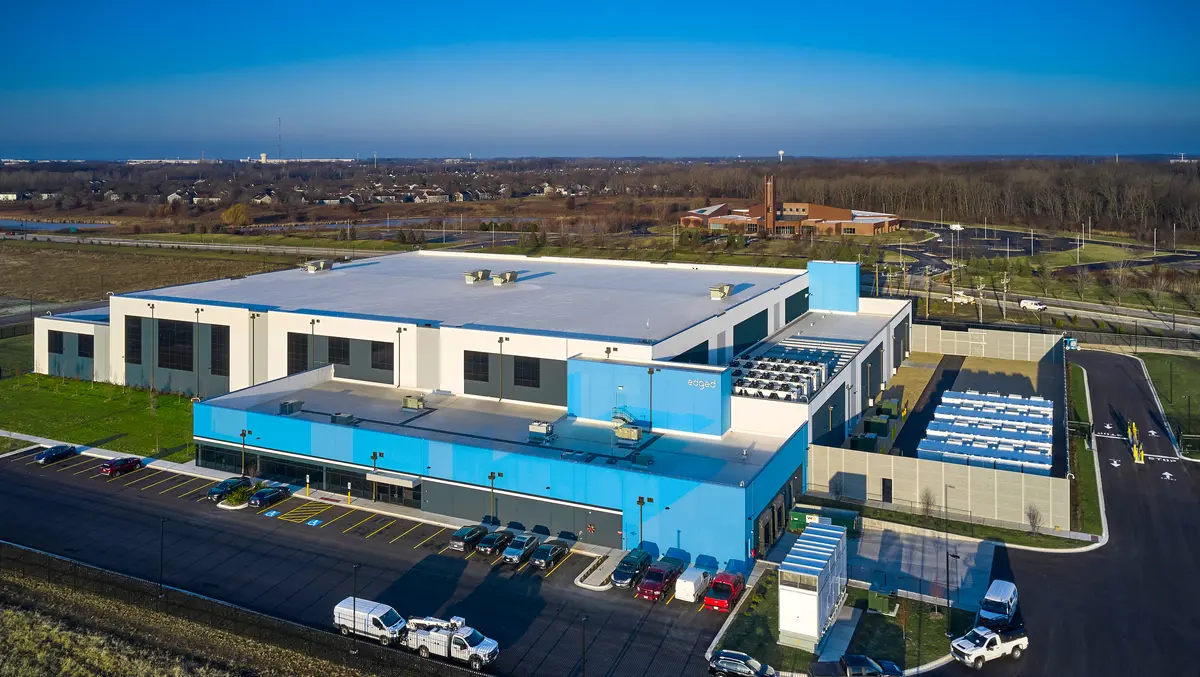
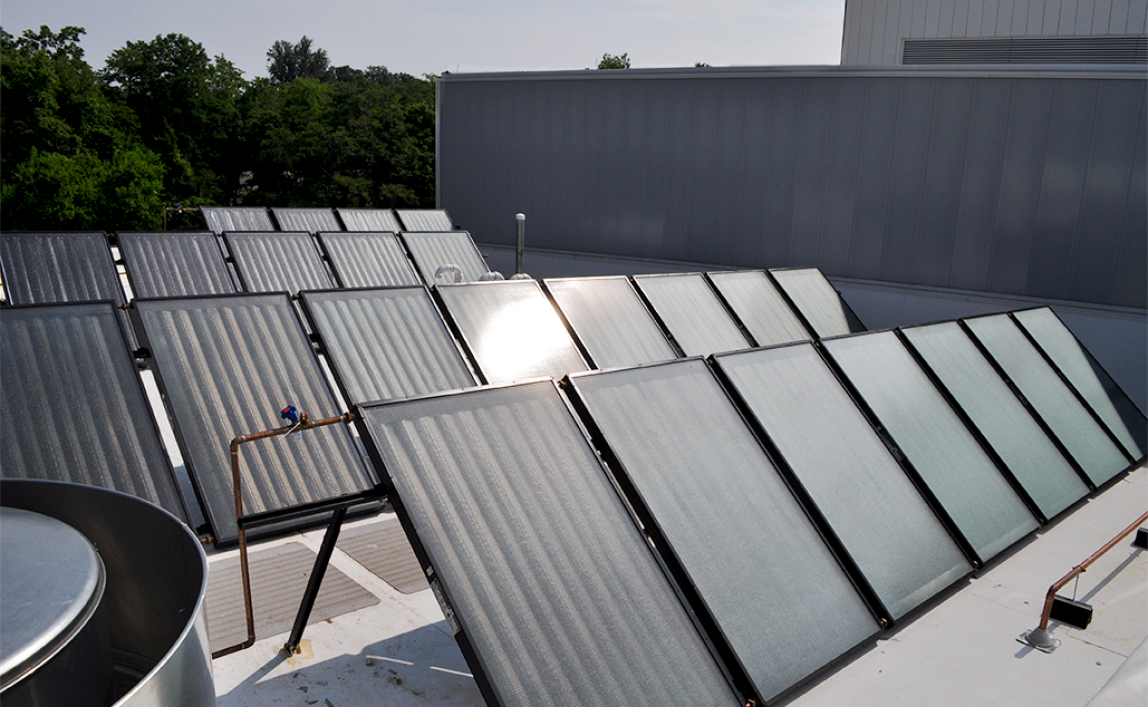
A gym roof is an open box with a lot of machinery on top
Strip the finishes away and a fitness center is a big clear-span room covered by a roof that carries far more mechanical equipment than its footprint suggests. We roof these buildings all over Billings, the national-brand clubs along the King Avenue and 24th Street West retail corridors, neighborhood gyms in the Heights, and the smaller studios and CrossFit boxes tucked into flex bays around town. They share two problems no other property type combines quite the same way: enormous unbroken roof spans and a punishing interior moisture load.
The humidity comes from inside
Most building owners think about the roof keeping water out. On a gym the bigger threat is the water already inside. Locker rooms, showers, steam rooms, hot tubs, and any pool or lap-swim enclosure pump warm, saturated air toward the ceiling all day. In a Billings winter, with single-digit air on the other side of the deck, that vapor wants to find the cold surface inside the roof assembly and condense there. Get the vapor control wrong and you don't see a leak from the sky, you get insulation that's slowly soaking through from below, losing R-value and rotting fasteners while the membrane on top looks perfectly fine.
So we treat the assembly, not just the top layer. On a reroof we check whether the existing vapor retarder is even in the right position for our climate zone, and on natatorium or wet-area sections we'll spec a fully adhered membrane over a properly placed retarder to kill the fastener-penetration field that mechanical attachment leaves behind. That's the detail that separates a gym roof that lasts from one that fails quietly in five seasons.
Spans and HVAC load
The training floor, the basketball or court area, the group-fitness rooms, these are long clear spans with no interior columns, often steel joists carrying steel deck. Wide spans deflect, and a fastening pattern drawn up for a stout little retail box doesn't transfer cleanly to a gym deck. We confirm deck type, gauge, and rib depth and pull-test before we commit to an attachment spec.
Then there's the equipment. A packed group-cycle class or a full weight floor throws off heat, moisture, and CO2, and the only way to keep that air breathable is high-volume rooftop HVAC. Big clubs in Billings carry dense arrays of rooftop units, plus dedicated exhaust for the locker rooms and pool space and make-up air to balance it all. The penetration density per thousand square feet runs well above a typical office or store of the same size, and the units themselves are heavy point loads the structure has to be checked for. Every curb gets individually flashed and documented, and undersized curbs, common on older clubs, get raised to the height the membrane manufacturer requires for warranty.
What we document before quoting
- Wet-area locations and the vapor retarder strategy for each
- Every rooftop unit, its curb size, and its clearance height
- Deck type and pull-out values across the long spans
- Exhaust and make-up air penetrations serving locker rooms and pool space
- Existing insulation moisture, confirmed by core sample
Working around a club that almost never closes
Plenty of Billings gyms run from before five in the morning until late at night, and the 24-hour clubs never lock the door at all. There's no tidy overnight window. We build the schedule around opening hours, around pool chemical deliveries, and around the HVAC maintenance the club needs to keep air quality in line with the state health rules for commercial swimming facilities. The club manager gets a written daily status so they can confirm the roof is watertight before the next wave of members shows up. Crew start times and noise limits over occupied locker rooms are set in the pre-construction plan, not argued about on day three.
Snow drift across a wide roof
A wide, flat gym roof in Billings collects snow unevenly, and that matters more than people expect on a long-span building. Wind scours the open field and piles drifts against the high parapets, against any clerestory or raised group-fitness box, and in the valleys between roof levels, and those drifts are concentrated load sitting over the same long-span joists that are already carrying the rooftop units. We look at where drifting will collect against vertical surfaces, keep insulation and tapered crickets routing meltwater toward drains instead of letting it pond and re-freeze at the parapets, and make sure the edge and parapet flashings can take a freeze-thaw winter without the seams working loose. On a building this open, drainage and snow management aren't a footnote to the membrane choice, they shape it.
Restoration versus tear-off
Not every aging gym roof needs to come off. If the existing membrane is sound and the insulation underneath is dry, confirmed by core, not assumed, a silicone restoration coating can seal the field, re-flash the details, and add years without the cost and the operating disruption of a full tear-off over a club that never really closes. But a coating over wet insulation just traps the moisture, so we only recommend it when the cores come back dry. Where the assembly is saturated or the slope is shot, a full replacement with new tapered insulation is the honest answer, and we'll tell you which one your roof actually is rather than selling whichever is easier to schedule.
Chains and independents, same paperwork
National operators run their facilities through corporate facilities management and approved-vendor programs, and we work inside those processes for branded locations in Billings. For independent gym owners and the investors who hold these buildings, we work direct. Either way the closeout package is the same: permit and final inspection, manufacturer warranty registration, a roof zone diagram with the penetration inventory, and a drain and flashing inspection record for the building's file. Chain locations get it formatted to match their corporate system.
Common questions
How do you keep pool and locker-room humidity from wrecking the roof?
Interior vapor drive is controlled inside the assembly with a correctly positioned vapor retarder, not by the membrane alone. We check the existing assembly against our climate zone and spec the right buildup so moisture can't get trapped and destroy the insulation from below.
What membrane do you usually put on a fitness center?
For clubs with pool or steam areas, 60-mil TPO or PVC fully adhered. Adhered systems drop the fastener field and build a more vapor-tight assembly. Gyms without wet areas can run 60-mil TPO mechanically attached for a more economical result.
Can the work happen while the gym stays open?
Yes. We sequence tear-off and dry-in around operating hours and confirm each section watertight in writing daily, with crew timing and noise limits over locker rooms set up front.
Is rooftop HVAC curb work part of your scope?
It is. We inventory every curb before pricing, and undersized curbs get raised or replaced so the new membrane meets the manufacturer's warranty height requirement.