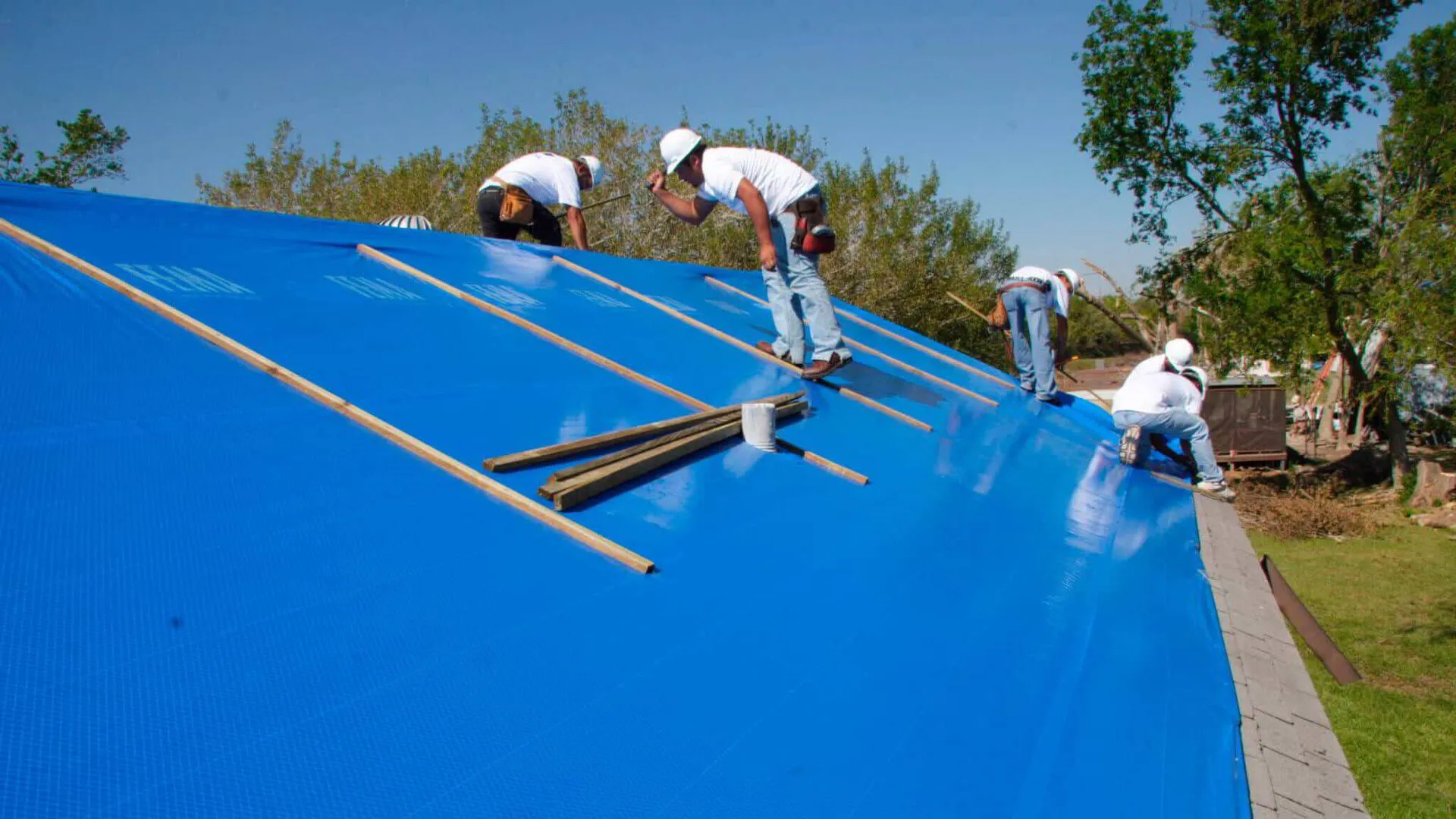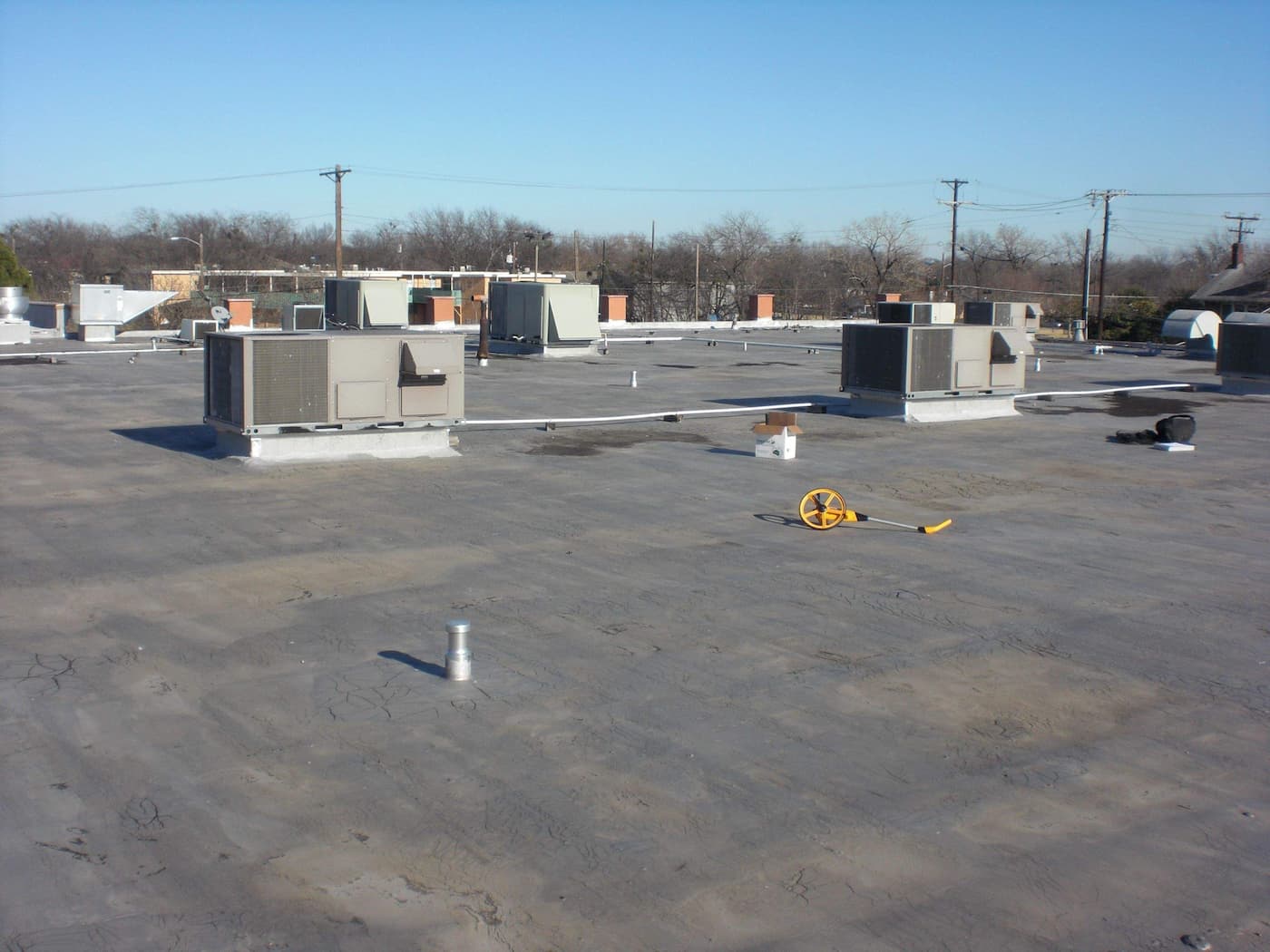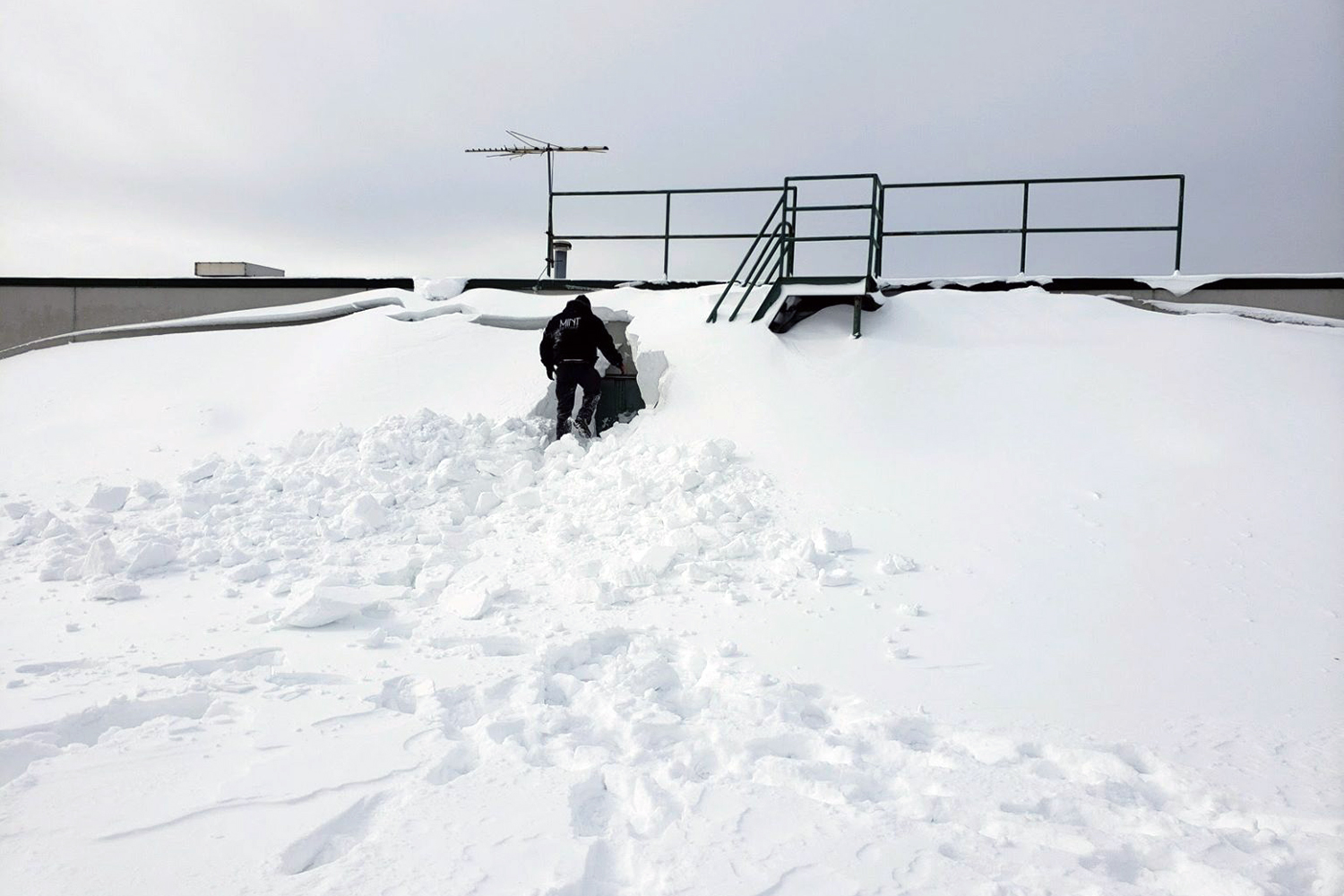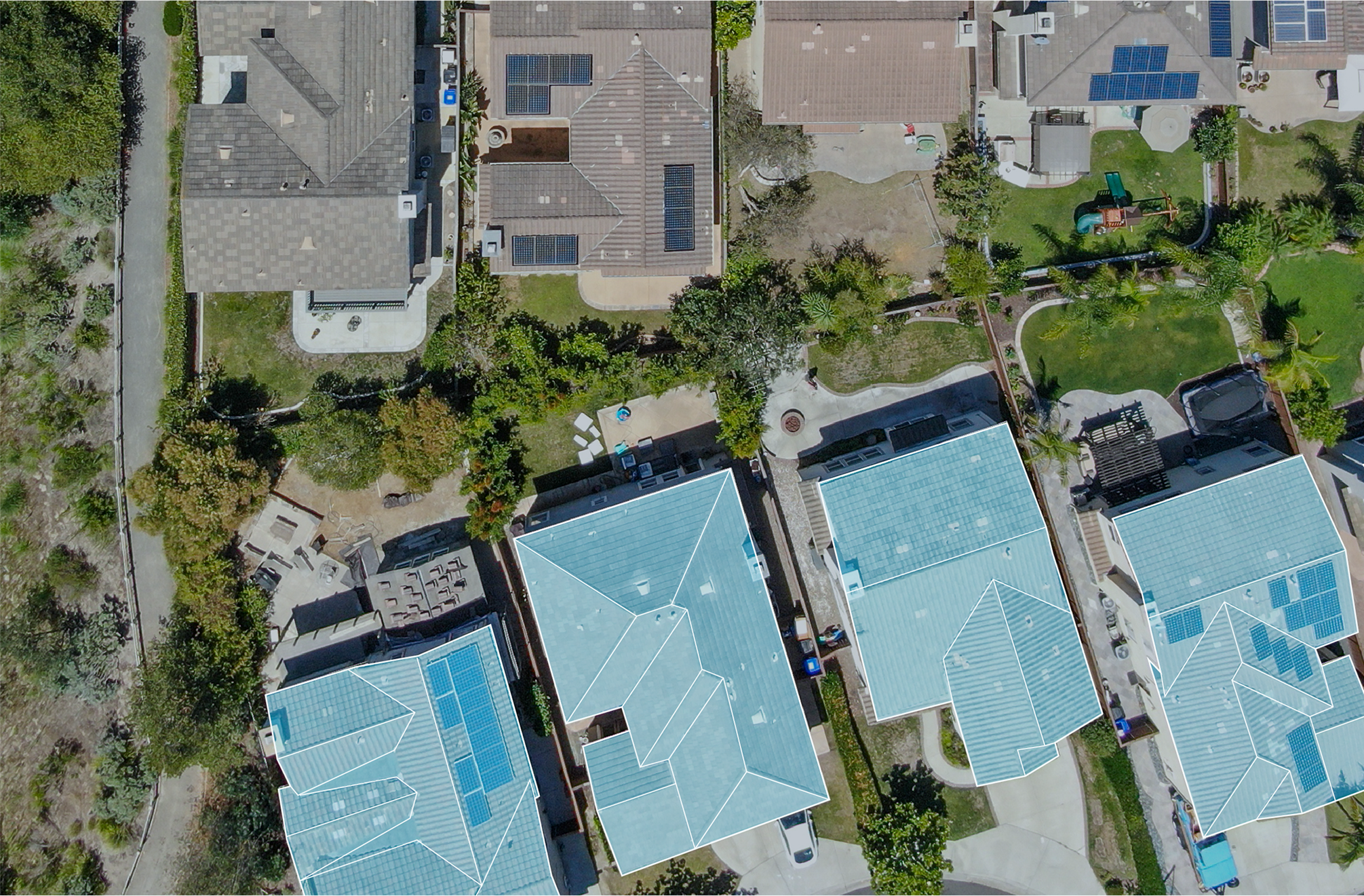
A hailstorm rolling off the Bridger Range, a spring downburst across the Yellowstone Valley, or a hard freeze-thaw cycle after a Chinook can leave a commercial roof damaged in ways that never show up from the parking lot. The claim that follows is only as strong as the documentation behind it, and that's where a roofing contractor who knows Montana roofs matters more than the paperwork itself.
We're your roofing contractor, not a public adjuster — we inspect, document, and substantiate the roof damage so you and your insurance adjuster are working from the same accurate scope, not competing estimates.
A claim usually starts with a date, a storm event, and a suspicion that something changed on the roof. Before any paperwork moves, we walk the roof and separate what the storm caused from what was already there. That distinction protects the claim: an adjuster who finds old wear mixed in with new damage has an easy reason to trim the scope, and we don't want that ambiguity working against the owner.
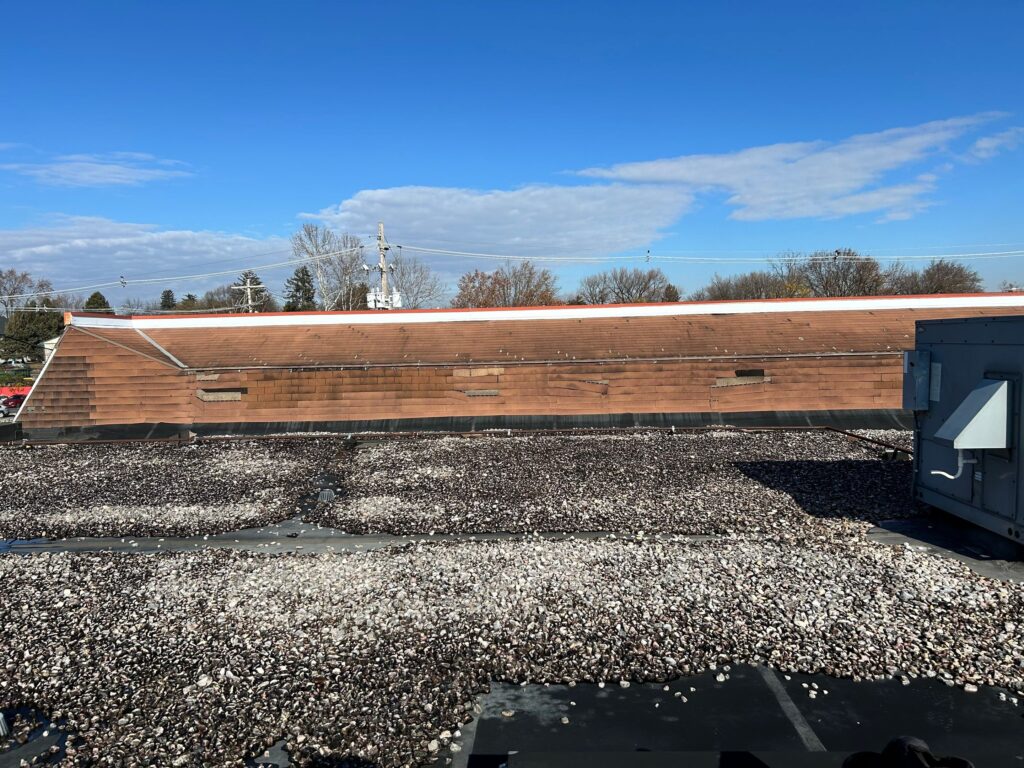
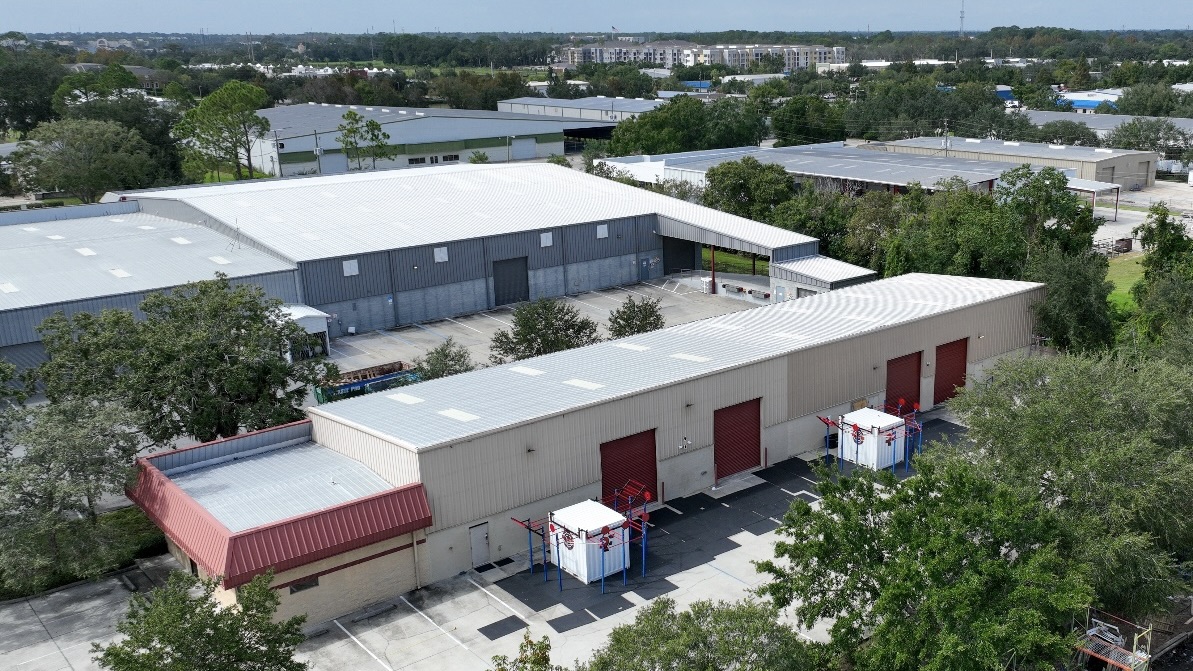
Documentation is the part most owners underestimate. We record membrane punctures, granule loss, bruised insulation, bent or torn flashing, coping and edge-metal displacement, and any interior signs of water intrusion, with photos tied to roof zones and measurements an adjuster can check against their own notes. On a warehouse near the Billings rail yards or a ranch-support building outside Laurel, the roof size and access alone can change how the damage reads, so we scope it in sections rather than guessing at a blanket number.
Meeting the adjuster on the roof is where a lot of claims get decided in the first twenty minutes. We walk the roof with the adjuster, point to the specific damage we documented, and answer questions about roof age, prior repairs, and system type — TPO, EPDM, PVC, modified bitumen, BUR, or metal all read differently after hail or wind. Having a contractor on site who already has the field notes keeps the conversation grounded in what's actually on the roof.
Complete-scope framing matters just as much as the initial damage list. A repair estimate that only covers the visible puncture points, without code-required underlayment, matching membrane runs, or edge-metal replacement to match existing gauge, tends to fall short once the crew is actually up there. We itemize the full repair scope — including code and ordinance upgrades where they apply — so the number reflects what the roof needs, not the version that's easiest to approve quickly.
Denied and underpaid claims happen more often on commercial roofs than most owners expect, especially when the first estimate came from a phone photo or a drive-by. If a claim comes back short, we can re-document the roof, point to specific areas the original scope missed, and provide additional photos or measurements the adjuster can use to reconsider. We don't negotiate the claim or promise a different outcome — that's the owner's and the insurer's conversation — but we make sure the roof evidence supporting a re-review is complete.
Montana's roof stock adds its own wrinkles to a claim. Ag and ranch-support buildings often have older, larger roof areas with limited access, which changes how damage gets sampled and documented. Refinery and medical-campus buildings around Billings carry stricter access and safety requirements that affect scheduling an adjuster walk. Bozeman's newer tech and university-area buildings tend to have tighter membrane specs, where even minor hail bruising can matter for warranty purposes. Across the state, repeated freeze-thaw cycles and high-elevation UV exposure age membranes faster than lower-elevation climates, which is worth noting when an adjuster is weighing whether damage is storm-related or gradual wear.
We keep a field report for every claim-related inspection: photo locations, measurements, roof-zone notes, and any exclusions we flagged. That record travels with the owner through the claims process and gives the adjuster, the roofing crew, and the building's insurance file the same set of facts to work from.
If a storm has already passed and you're deciding whether a claim is worth filing, the roof itself has the answer. Send us the building location, the storm date if known, and any visible signs you've noticed, and we'll walk the roof and tell you honestly what we find.