Billings is Montana's largest city and its most active commercial hub, and the hotel market here reflects both the energy sector's boom-bust employment cycles and steady leisure traffic heading toward Yellowstone country. Properties clustered along King Avenue West, around the Billings Logan International Airport, and downtown near the Rimrocks carry roofing systems that must perform across a temperature range that regularly spans more than 100 degrees Fahrenheit between January lows and August highs. For a hotel owner in Billings, the roof is the single building system most exposed to this thermal violence, and an undersized or poorly detailed assembly will show its weaknesses within a few seasons.
Brand flags operating in the Billings market, Choice Hotels, Wyndham, Marriott's limited-service portfolio, issue property improvement plans on their own schedules regardless of what Montana's construction calendar looks like. A PIP arriving in October with a spring deadline forces hotel owners to compress exterior envelope work into a window that may include below-zero temperatures, ground blizzards, and supply chain delays on membrane materials shipped from distribution centers in Denver or Salt Lake City. We maintain relationships with regional roofing material suppliers so that our Billings projects are not held up waiting for materials that are back-ordered because of competing spring construction demand across the Northern Plains.
Billings hotel roofs face a freeze-thaw cycle that is genuinely punishing. Water that infiltrates a membrane seam in October will expand and contract through dozens of freeze-thaw events before a spring inspection catches the damage. We approach Billings hotel roofing projects with a detail philosophy centered on eliminating seam vulnerability at the perimeter, where thermal movement is greatest, and at all penetration flashings, where differential movement between the roof membrane and the rigid penetration curb creates stress concentrations that eventually crack standard sealant details. TPO and EPDM both perform well here when installed with appropriate seam width and appropriate substrate preparation for cold-weather application.
The energy sector generates a particular type of hotel guest in Billings: oilfield workers on rotational schedules who occupy extended-stay and limited-service properties for weeks at a time, often with vehicle-heavy parking patterns and 24-hour check-in and check-out activity. These properties are operationally demanding, and their facilities teams are often managing deferred maintenance across multiple systems simultaneously. A roofing contractor who shows up, completes the work quietly and on schedule, and hands over clean documentation is genuinely valued in this market, because the alternative, a job that drags on and generates guest complaints, reflects directly on the facilities manager's performance metrics.
Snow load management is a roofing consideration in Billings that has no analog in Sun Belt markets. A flat or low-slope hotel roof must be designed and maintained to handle the weight of accumulated snow and the drainage demands of rapid melt events driven by Chinook winds, the warm downslope winds that can raise temperatures 40 degrees in a few hours and turn a packed snowpack into a significant drainage event. We verify drain capacity and overflow scupper clearances on every Billings hotel project because an overloaded roof deck during a Chinook melt is a structural risk, not just a waterproofing concern.
Preventive maintenance for Billings hotels is most effective when it follows the shoulder seasons rather than the calendar. An inspection in late September, before freeze-up, allows drain clearing, sealant renewal, and membrane repair while conditions still permit adhesive curing. A spring inspection in May, once freeze-thaw activity has subsided, identifies any damage accumulated over winter before summer storms arrive. This two-inspection rhythm, supplemented by after-storm checks following hail events common in the Eastern Montana summer, keeps roofing systems at Billings properties ahead of failures rather than responding to them.
Hotel pools and indoor recreation spaces in the Billings market often occupy separate structures or low-rise annexes connected to the main hotel tower. These structures frequently have roofing systems that were installed independently of the main building and are on different age and condition trajectories. We assess each structure separately and provide hotel owners with a capital planning schedule that sequences replacements to smooth out expenditure rather than presenting the owner with simultaneous replacement needs across multiple roof areas. For limited-service properties operating on tight NOI margins, this kind of long-range planning is the difference between a manageable capital program and a financial crisis.
Emergency roof repair availability is particularly important in Billings given the city's distance from major metropolitan supply centers. A hotel roof damaged by a summer hailstorm or a winter ice event cannot wait two weeks for a contractor to drive from Denver. We maintain local inventory of temporary repair materials, keep trained crews available seven days a week during storm season, and have established relationships with the major hotel brands' facilities departments so that emergency authorizations can happen quickly rather than waiting for a corporate maintenance approval cycle to complete.
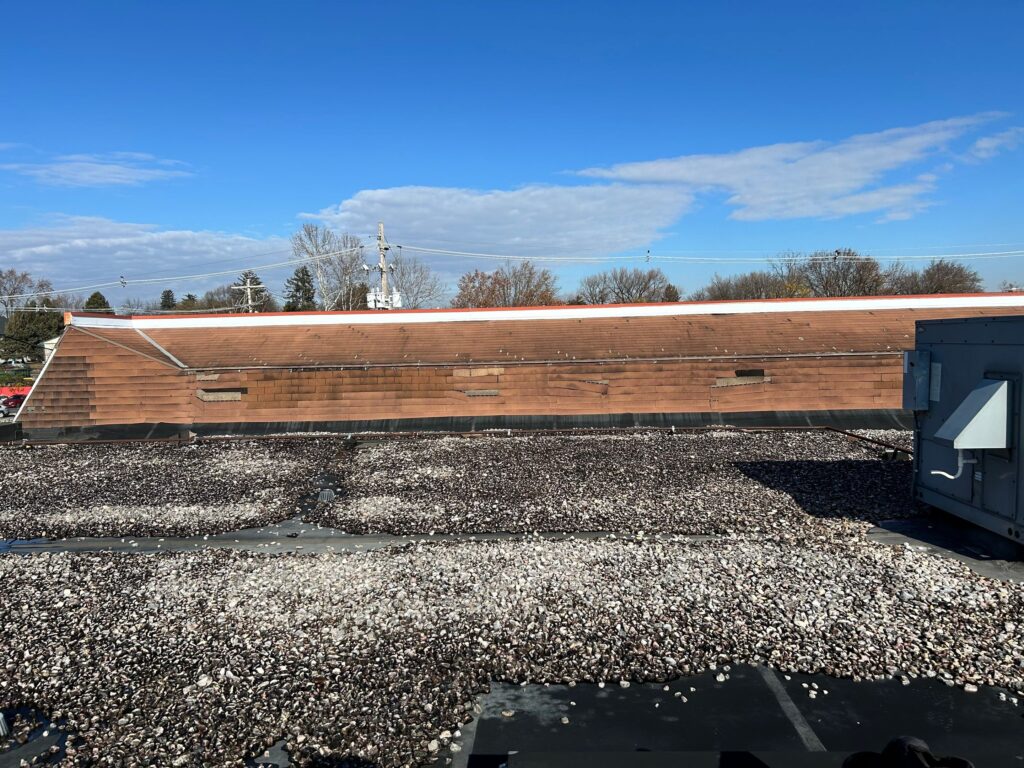
Billings hoteliers renovating older properties, particularly the downtown boutique hotels that have emerged in converted historic buildings near the Billings Depot and along Montana Avenue, face roofing challenges specific to older construction. Structural decking on 1960s and 1970s vintage buildings may not meet current load requirements for ballasted membrane systems, and parapet walls on historic structures require careful flashing work to preserve the masonry while achieving modern waterproofing performance. We have experience navigating these constraints and coordinating with structural engineers when deck reinforcement is required as part of a comprehensive renovation.
- How do you handle roofing work during Billings winters when temperatures are below adhesive cure thresholds?
- We schedule membrane work for shoulder season windows when possible, and when winter work is unavoidable, we use low-temperature adhesives rated for application down to negative 20 degrees Fahrenheit and provide temporary enclosures around the work area to maintain workable temperatures. Cold-weather work requires more time and materials but produces fully warranted results.
- What is the right membrane for a hotel roof in Billings?
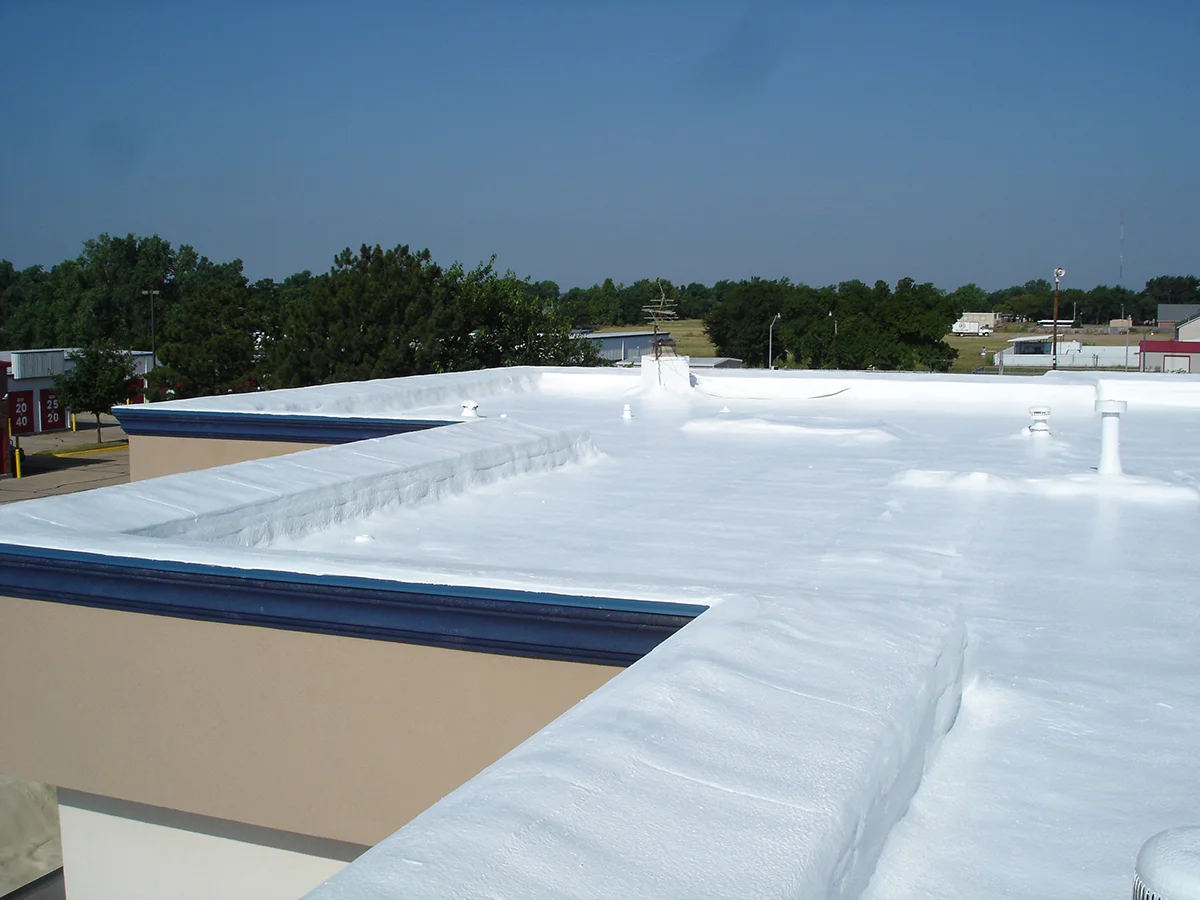
- EPDM in 60-mil thickness with fully adhered seams is our most common recommendation for Billings hotels because it handles thermal cycling better than TPO at extreme cold and has a longer field track record in Northern Plains climates. For recovering over existing membrane, fluid-applied silicone coatings are also effective when the existing substrate is structurally sound.
- How do you account for Chinook melt events in drain sizing?
- We calculate drainage capacity using the Montana plumbing code's rainfall intensity figures but supplement with overflow scuppers sized for rapid melt scenarios, which can exceed design rainfall rates on low-slope roofs. Drain strainer maintenance is included in our service agreements to ensure capacity is never compromised by debris accumulation.
- Can PIP-driven roofing projects be completed in Montana's short construction season?
- Yes, with early planning. We engage with hotel owners as soon as a PIP arrives to develop a schedule that locks in permit approvals, material orders, and crew availability before the competitive spring construction window opens. Projects planned in January start on time in May; projects planned in April frequently slip to fall.
- Do you provide capital planning documentation for multi-building hotel properties?
- We provide a written capital planning report with condition ratings, estimated remaining service life, and projected replacement costs for each roof area on a property, formatted for inclusion in ownership reporting packages and lender disclosures during refinancing or sale transactions.