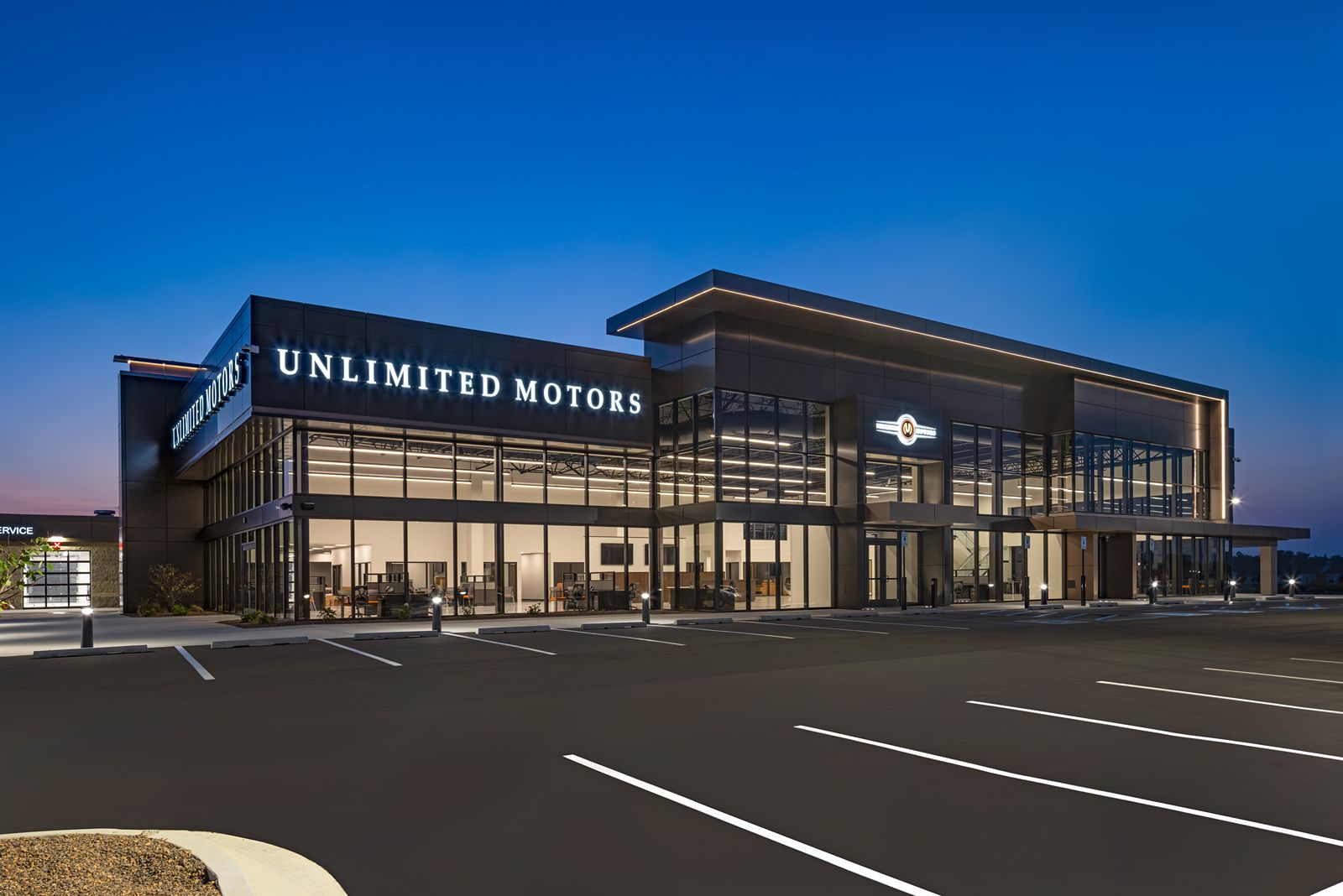
Rimrock Auto Group in Billings, Montana is the region's largest multi-brand dealer network, operating Chevrolet, Buick, GMC, Cadillac, Ford, Kia, and other franchises across multiple facilities along the King Avenue automotive corridor. Managing the roof systems across a Billings dealer group campus means engineering for one of the most demanding snow load environments in the American West while maintaining the operations of an active dealership that never fully closes. Every day that the service department is compromised is a day that warranty work, recall campaigns, and customer appointments are backed up, and Montana dealers run lean enough that a week of disruption is a meaningful revenue event.
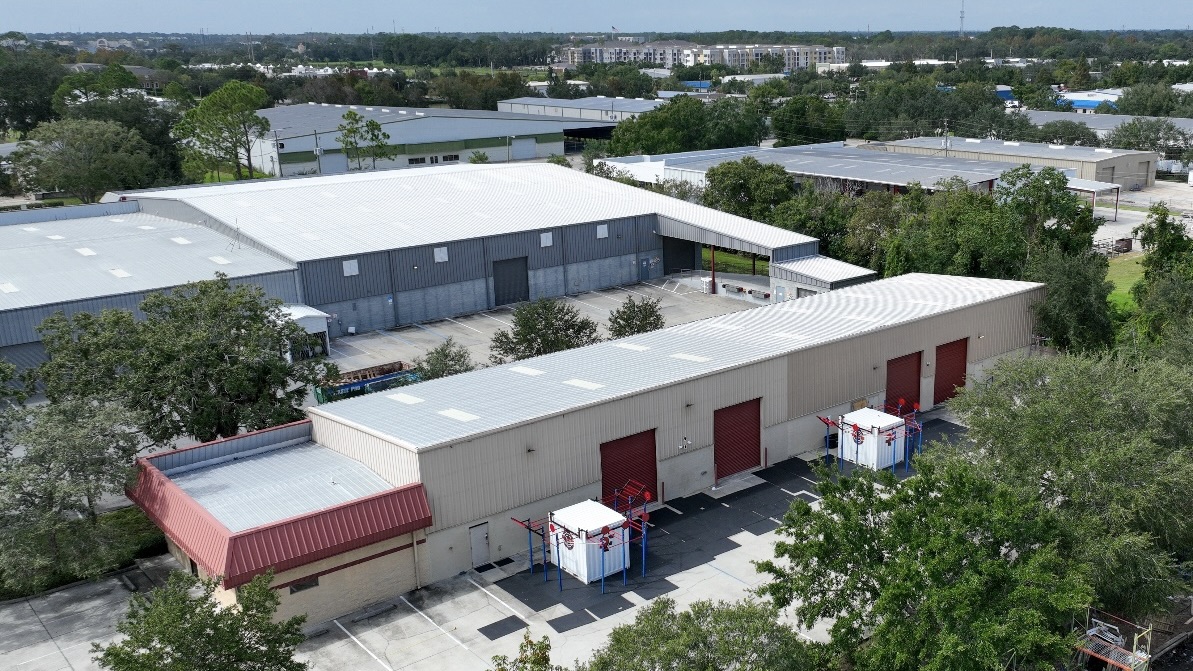
Snow load engineering is the defining challenge for Billings dealership roofs. Showroom buildings with large clear-span roofs and minimal structural redundancy are particularly vulnerable to drift accumulation, because the large, unheated service bay or parts warehouse adjacent to a heated showroom creates exactly the thermal differential that drives drift formation. Snow blows off the warm showroom roof and piles against the cold parts building wall, creating a drift load that can exceed 100 psf in the drift zone. We perform drift load calculations before specifying any Billings dealer re-roof and confirm structural capacity with a licensed engineer when the existing framing appears marginal.
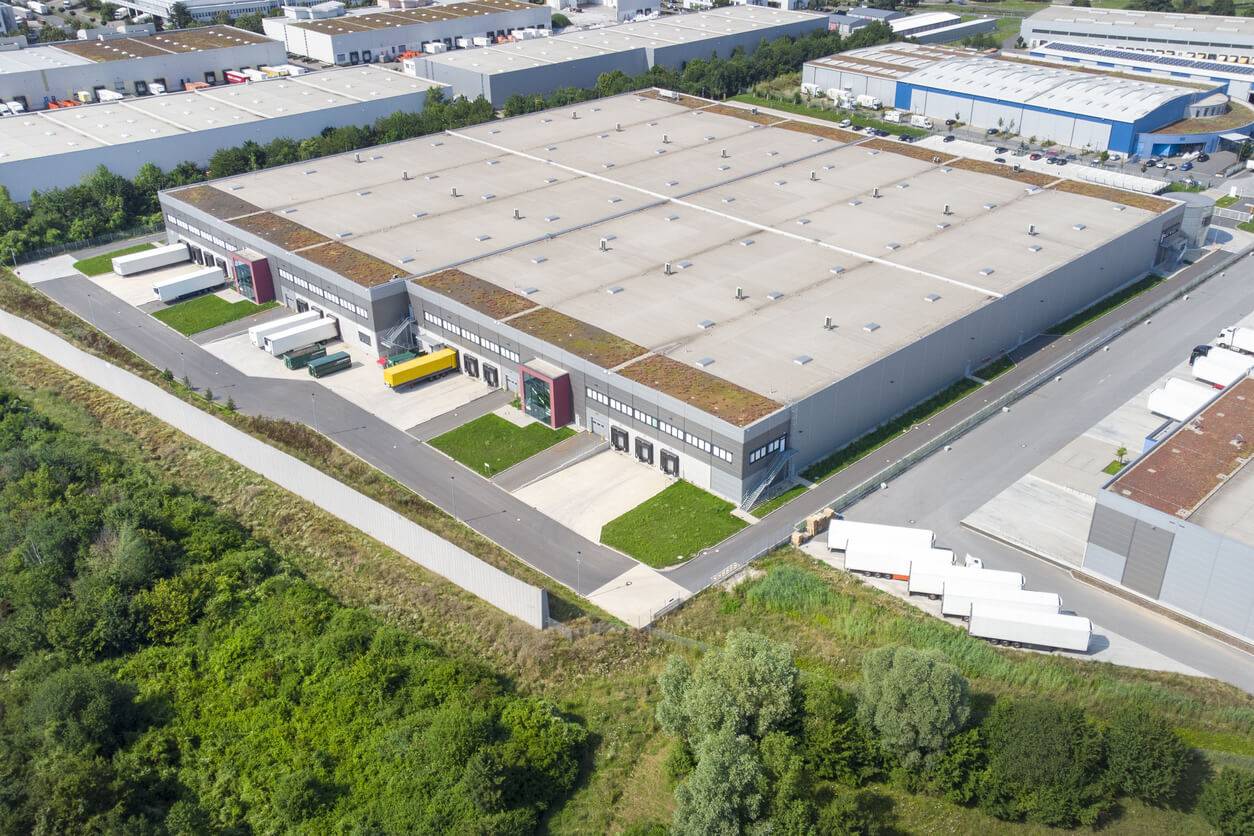
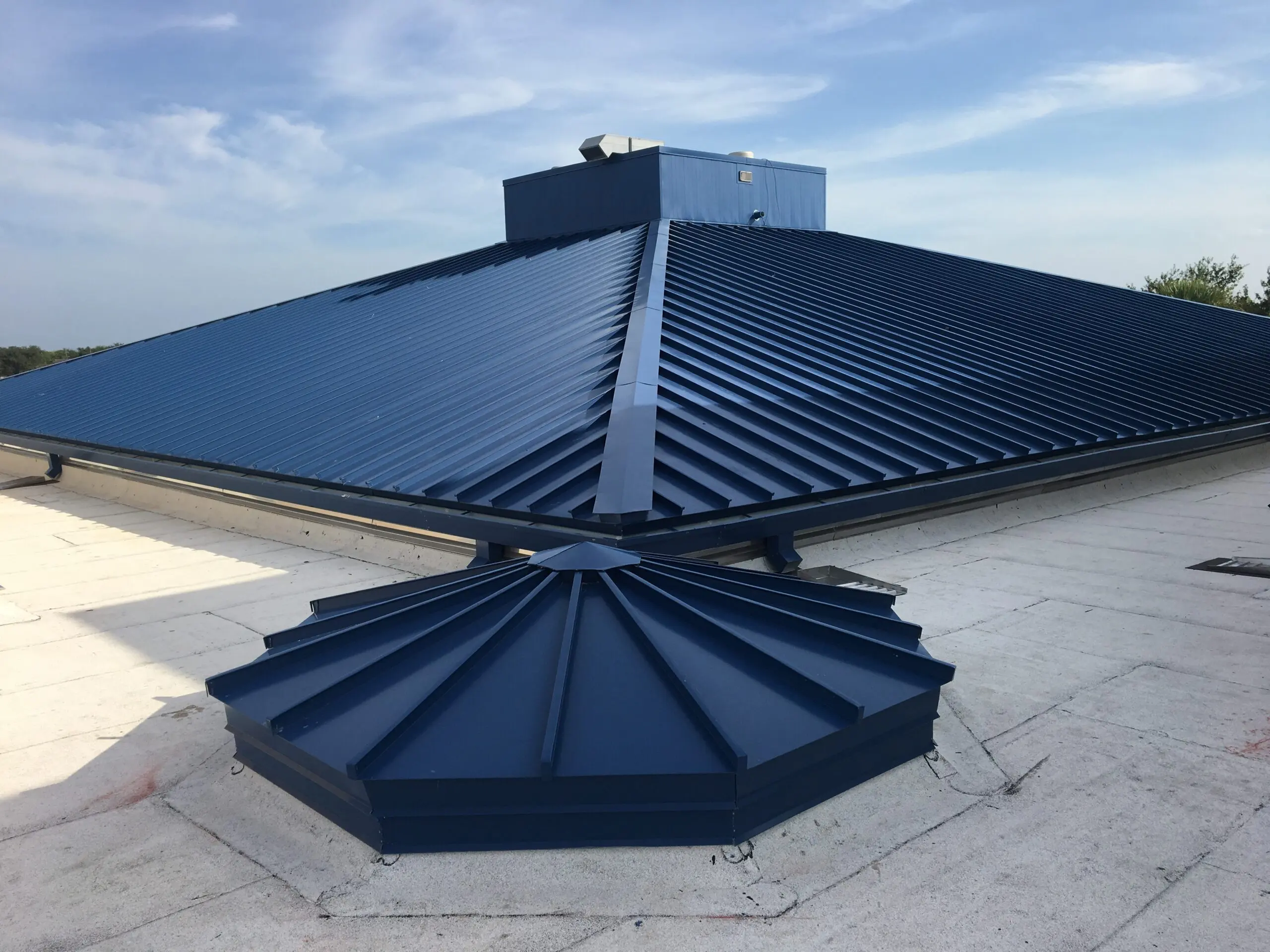
Skylights are standard in Billings dealership showrooms because natural light is one of the most effective tools for vehicle display, and the long, dark Montana winters make customers and salespeople alike value every hour of natural light. Skylight integration into a re-roofed membrane system requires careful curb height specification, NRCA recommends eight inches minimum above the finished roof surface, and proper membrane termination that accommodates the different thermal movement rates of the skylight frame and the membrane. A skylight that is not properly integrated becomes the most reliable leak point on the entire roof within two to three Montana winter cycles.
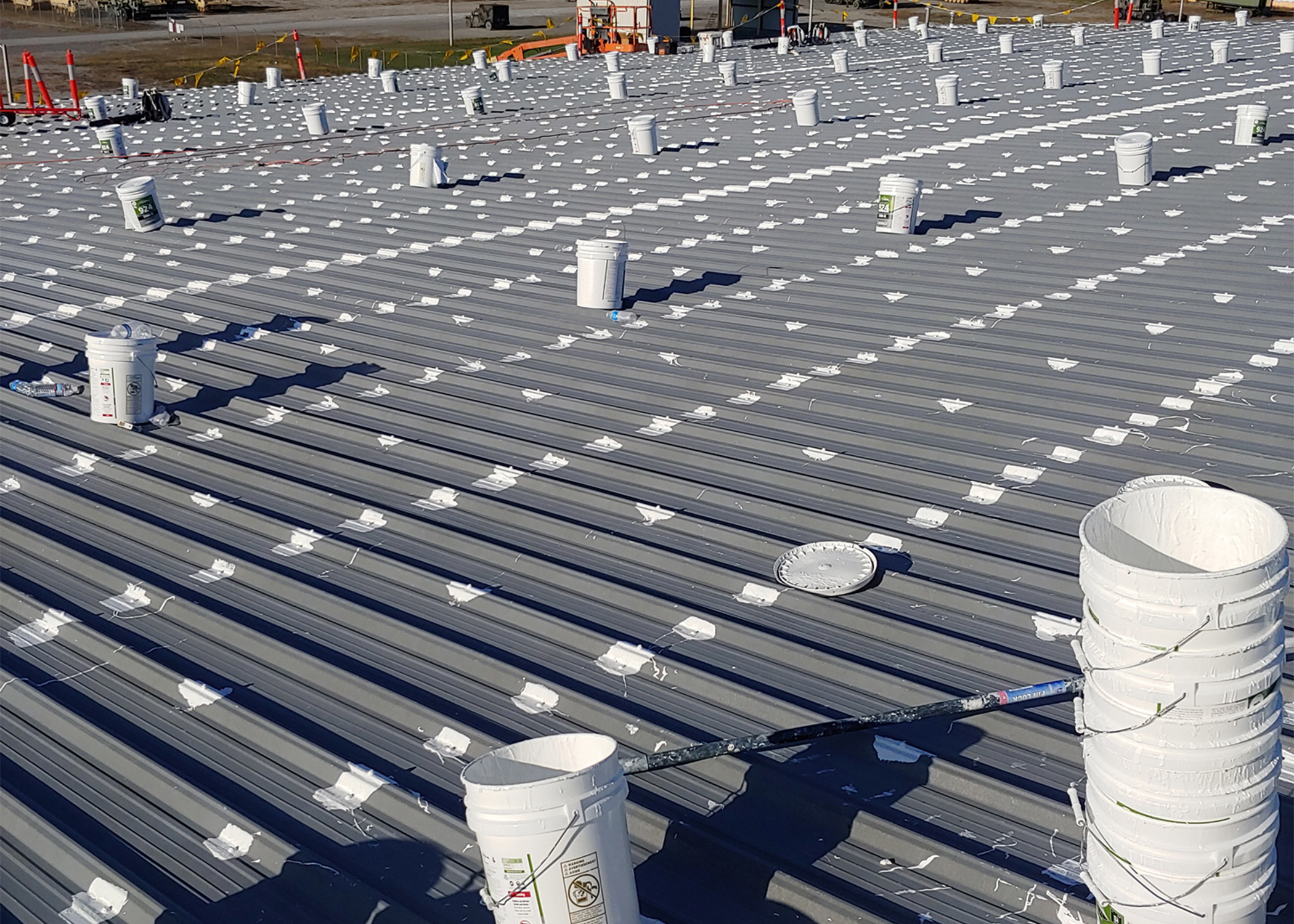
Standing-seam metal is the preferred roofing system for Billings dealership service and parts buildings because it handles snow load, thermal cycling, and the chemical exposure from exhaust and petroleum products better than membrane systems when properly specified. The service bay roof environment is chemically aggressive: oil mist, exhaust particulates, and chemical cleaning agents all accelerate membrane degradation in ways that are not obvious until the membrane fails in year six or seven. Metal with proper coating maintains its performance through these conditions for decades.
The occupied operations constraint for a Billings dealership re-roof is not just about keeping the service bays open, it is about keeping the inventory lot accessible. Billings dealerships carry significant vehicle inventory that cannot be relocated during a re-roof, and the material staging and crew access zones must be planned to maintain dealer lot circulation without blocking customer or delivery access. We develop a site-specific logistics plan for every Billings dealer project before we mobilize, and we review it with the facilities manager and the general manager before work begins.
Billings winters create a specific scheduling challenge for dealership re-roofs: the service department is typically its busiest from November through March as customers bring in vehicles for winter service and the demand for parts and accessories is highest. This means the best weather window for roofing, late summer and early fall, coincides with a period when the dealership would prefer minimal disruption. We work with dealer principals to identify the least disruptive phasing sequence and to schedule the most disruptive work phases during the spring shoulder season when service demand drops.
Montana's contractor licensing environment does not require a statewide roofing license, but Billings requires a commercial contractor's registration and building permit for all re-roofing work. Major dealer groups typically require out-of-state contractors to provide proof of local registration before beginning work. We are registered in Billings and maintain all required insurance and bonding for Montana commercial projects.
Drainage design for Billings dealership roofs must account for the snowmelt scenario as the primary design event. A Chinook wind event in February can melt several feet of accumulated snow in twenty-four hours, and the resulting runoff volume must be handled by the roof drainage system before it reaches interior spaces or saturates the vehicle lot. We size all drainage systems for the snowmelt scenario and install heat tape in all drain bowls and downspout tops to prevent ice bridging during the melt transition.
Rimrock Auto Group's multi-brand presence in Billings represents the kind of multi-building dealer campus where a qualified roofing contractor can deliver significant value by managing all buildings under a master services agreement, same warranty standards, same material specifications, same crew, same documentation. This consistency protects the group's aggregate investment and simplifies the facilities management function for a dealership group that is running multiple franchises simultaneously.
- How do you calculate drift snow loads on a Billings dealership campus?
- We calculate drift accumulation at all wall and parapet interfaces between buildings with different heights or thermal characteristics, using ASCE both the structural review and the drainage design, because snowmelt from drift zones must be handled by properly sized systems.
- How are skylights integrated into a Billings dealership re-roof?
- We specify curb heights at a minimum of eight inches above the finished membrane surface, use flexible membrane terminations at all curb flanges, and verify that the skylight frame's thermal movement rate is accommodated in the counter-flashing detail.
- What roofing material is best for Billings dealership service bays?
- Standing-seam metal with appropriate coating is our standard recommendation for service bay roofs in Billings, because it handles snow load, thermal cycling, and chemical exposure from petroleum and exhaust products better than membrane systems over a long service life.
- How do you work around active vehicle inventory during a Billings dealer re-roof?
- We develop a site logistics plan before mobilizing that identifies material staging and crew access zones that maintain dealer lot circulation. The plan is reviewed with the facilities and general manager before work begins and updated as the project phases progress.
- What permits are required for commercial dealership roofing in Billings?
- Billings requires a commercial contractor's registration and a building permit for all re-roofing work. We manage all permit applications and inspections and provide documentation to the dealer's property files at project completion.