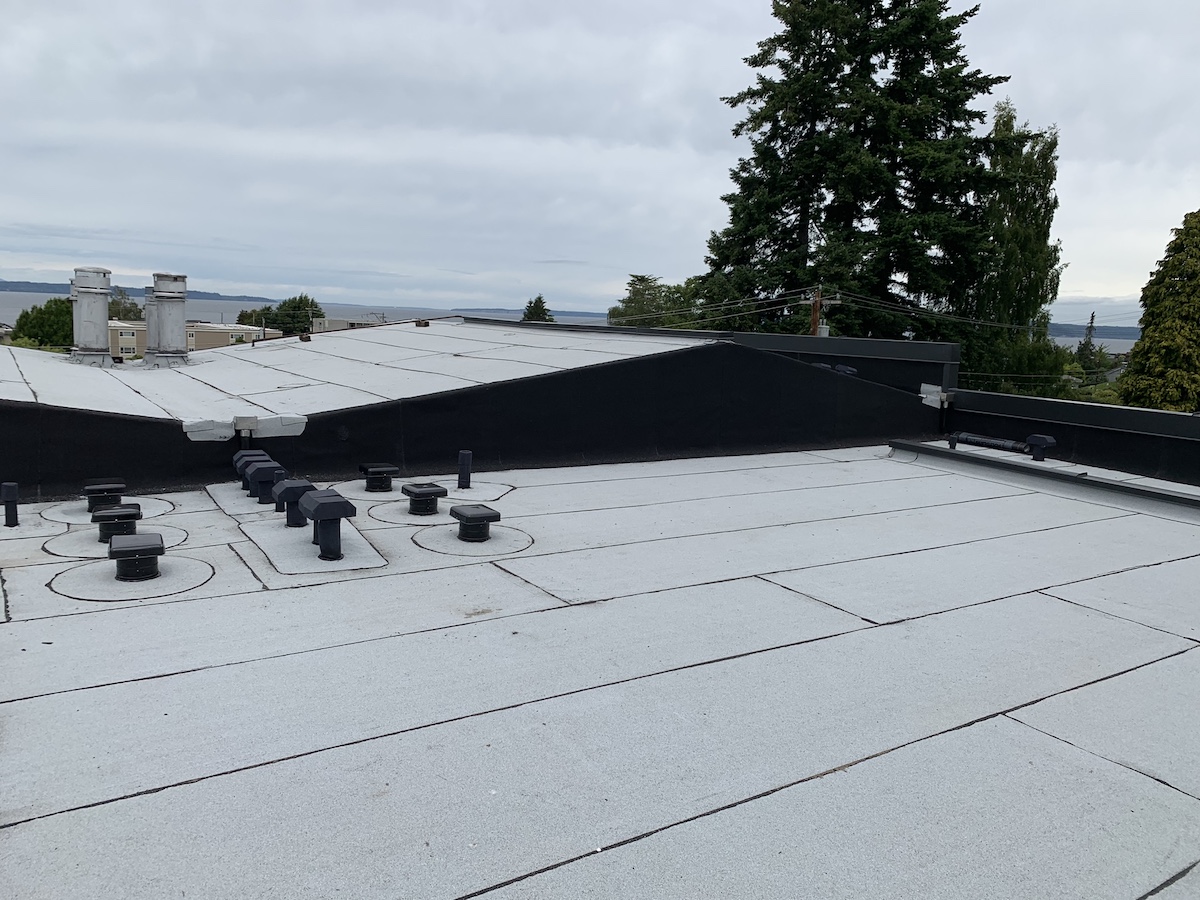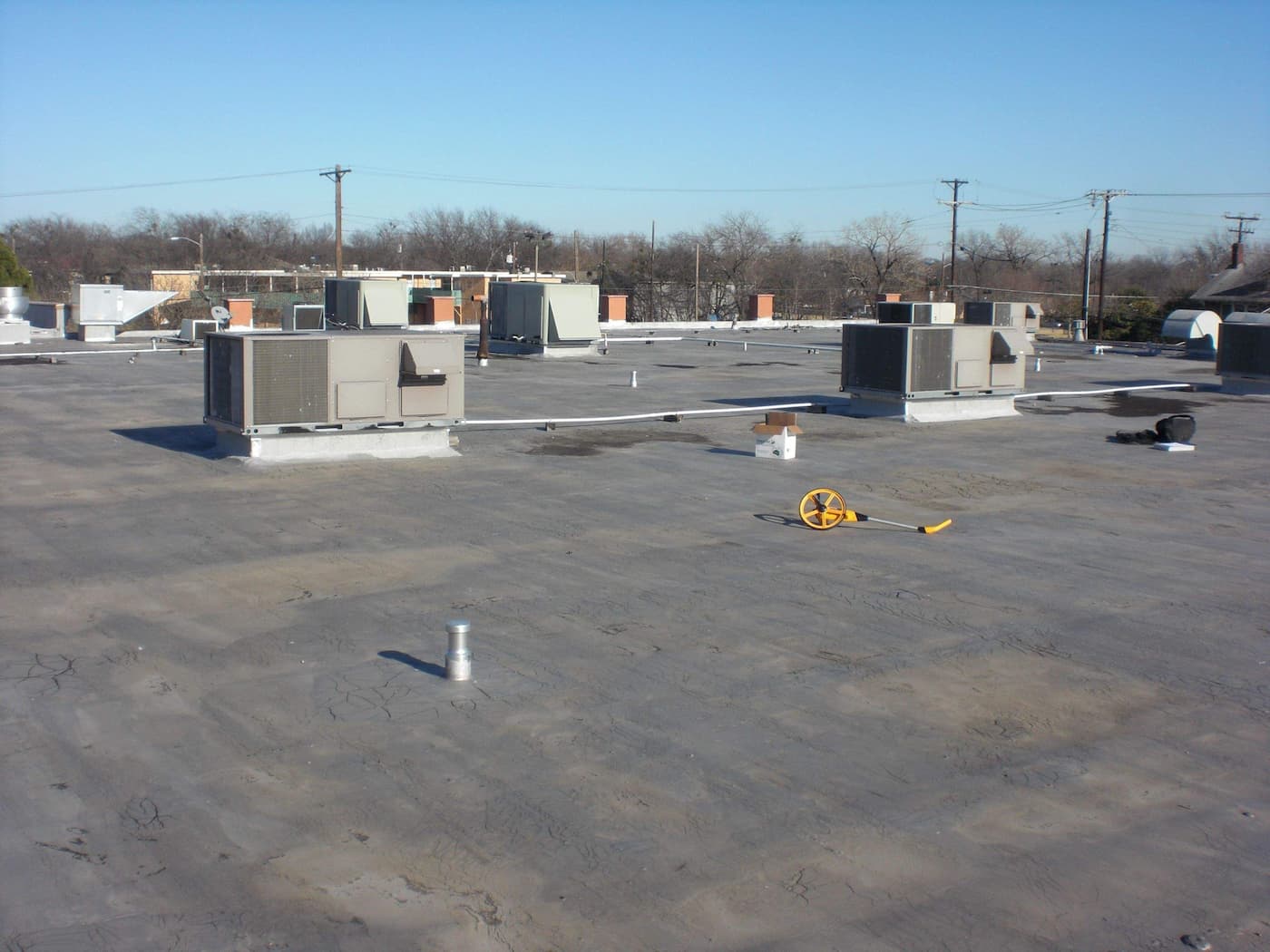
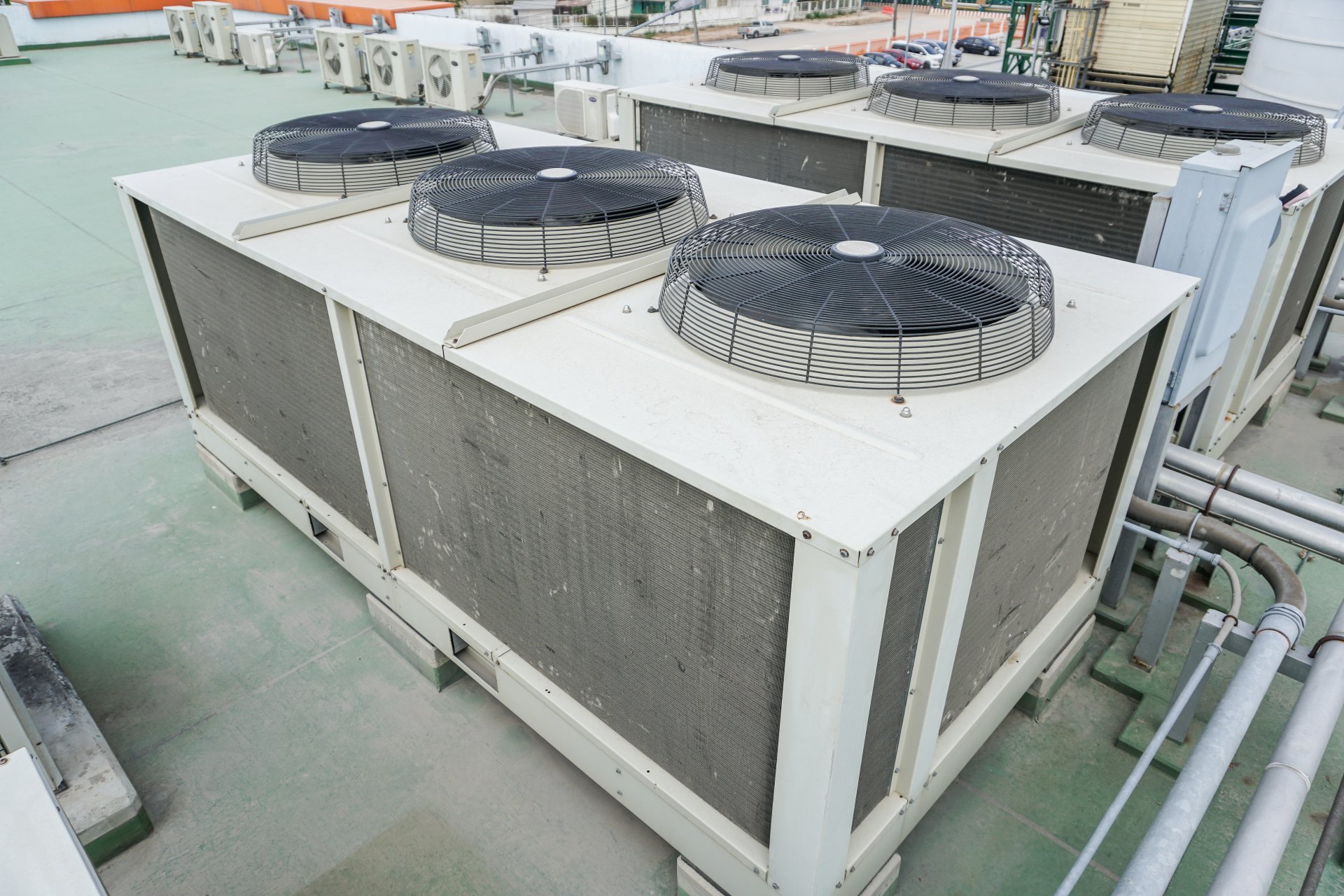
Denny's on Grand Avenue in Billings, Montana is one of the city's longest-operating full-service casual dining restaurants, running 24 hours a day through a climate that tests commercial kitchen exhaust systems and roof membranes with equal intensity. Billings restaurant roofs face the same snow load and thermal cycling challenges as any commercial building in the region, but the kitchen operation adds layers of complexity: continuous exhaust systems, HVAC cycling that creates significant thermal differentials at penetrations, and the grease contamination that turns a standard pitch pocket into a maintenance problem if annual inspection discipline is not maintained.
Snow load design for a Billings restaurant roof must account for the building's unique thermal profile: the kitchen produces enough heat to warm the interior significantly above outdoor temperature, which melts snow over the kitchen section faster than over the dining room or storage areas. This creates a thermal differential in the snow layer that drives water toward the colder sections of the roof, and the resulting uneven melt pattern can create ice dam conditions at the transition between heated and less-heated zones. We address this by designing insulation continuity across the entire roof, reducing the thermal differential that drives the differential melt pattern.
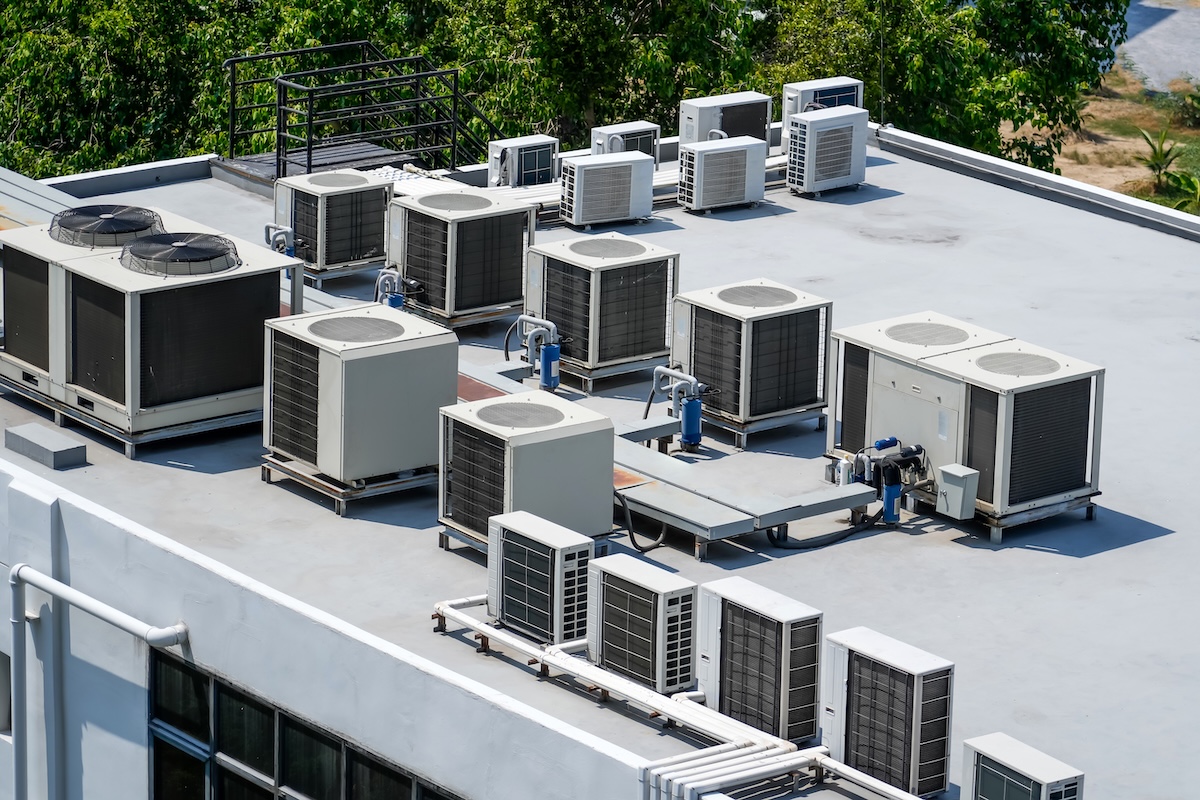
Type I commercial hood exhaust on a Billings restaurant operates continuously, even in Montana's winters. The exhaust system produces warm, grease-laden air that condenses on any surface it contacts below its dew point, and in a Montana winter the exterior surface of an uninsulated exhaust duct or hood is well below that dew point. Grease condensate on the roof surface around an exhaust penetration in Billings freezes during cold snaps and thaws during Chinook events, creating a freeze-thaw cycling condition that is particularly destructive to any membrane that is not grease-resistant and properly detailed at the penetration. We use high-temperature stainless steel curbs and grease-resistant membrane patches at all Type I exhaust penetrations on Billings restaurant buildings.
Fire suppression system maintenance access at Billings restaurants requires that all roof penetrations for suppression lines be documented and that the maintenance contractor's access route to the roof be identified and communicated. In winter, that access route may be compromised by snow accumulation, and restaurant operators who have not planned for this have had suppression system maintenance deferred past its due date because the roof access was blocked. We provide a documented roof access and penetration map at every project closeout that includes this information.
Drainage design for a Billings restaurant roof must handle snowmelt as the primary design scenario, not rainfall. The kitchen's thermal contribution to snowmelt is real: even in a Billings January, the kitchen exhaust creates a snowmelt zone directly above the cooking line that produces liquid water while the rest of the roof surface is frozen solid. This melt water must be routed to an interior drain that has heat tape to prevent refreezing before it reaches the point of discharge. We install heat tape in all interior drain lines on Billings restaurant buildings as a standard specification.
Montana's Chinook wind events, while they bring welcome warming, can also bring high sustained winds that test restaurant roof assemblies in ways that are less common in other cold-climate markets. A restaurant roof that was marginal on uplift resistance becomes an emergency situation when a Chinook brings 60 mph sustained winds alongside temperatures thirty degrees warmer than the day before. We design all Billings restaurant roofs to resist the ASCE 7 design wind speeds for Montana's exposed terrain, not just the mild conditions that prevail most of the year.
Montana does not require a statewide contractor license for commercial roofing, but Billings requires a commercial contractor's registration and building permit for all commercial re-roofing. Restaurant projects that include exhaust system modifications require coordination with the mechanical permit process. We work with restaurant operators' mechanical contractors to ensure that all trade work at the roof level is properly permitted and inspected.
Annual roof inspections for Billings restaurants should occur in September before the first hard freeze, specifically checking the exhaust penetration seals, the HVAC curb flashings, and the condition of the pitch pockets around all mechanical penetrations. September inspections give enough time to address any findings before winter conditions prevent additional work and before the kitchen's winter operation cycle begins in earnest.
The Billings restaurant market serves a regional population center that draws customers from a wide geographic area, and the operators who maintain consistent quality in their physical plants, including their roofing, are the ones who maintain the customer base that supports profitable operations through the long Montana winters. A well-maintained restaurant roof is the invisible infrastructure that allows the kitchen to operate safely and the dining experience to proceed without weather-driven disruptions.
- How does the Billings kitchen heat affect snow melt patterns on a restaurant roof?
- Kitchen heat warms the roof directly above the cooking line, melting snow faster than over cooler building sections. This thermal differential drives melt water toward colder zones, creating ice dam risk at heated-to-unheated transitions. We address this through continuous insulation design that reduces the thermal differential across the entire roof.
- How do you detail exhaust penetrations for a Billings winter climate?
- We use high-temperature stainless steel curbs and grease-resistant membrane patches at all Type I exhaust penetrations. The stainless steel curb cap handles the thermal cycling range, and the grease-resistant membrane addresses the condensate that freezes and thaws around the penetration through the Montana winter.
- Why does heat tape matter in Billings restaurant drain systems?
- Melt water from the kitchen heat zone must reach the drain without refreezing in the drain line. Without heat tape, the drain line freezes during cold events and water backs up on the roof surface. We install heat tape in all Billings restaurant drain lines as a standard specification.
- When is the best time for a Billings restaurant roof inspection?
- September, before the first hard freeze. This window gives time to address any findings before winter prevents additional work and before the full winter kitchen operation cycle begins. We specifically check exhaust seals, HVAC curb flashings, and all mechanical penetration pitch pockets.
- What wind resistance standard applies to Billings restaurant roofs?
- We design Billings restaurant roofs to the ASCE 7 design wind speeds for Montana's exposed terrain exposure, accounting for the Chinook wind events that can produce 60 mph sustained winds. Fully adhered assemblies at corners and perimeters are our standard specification.