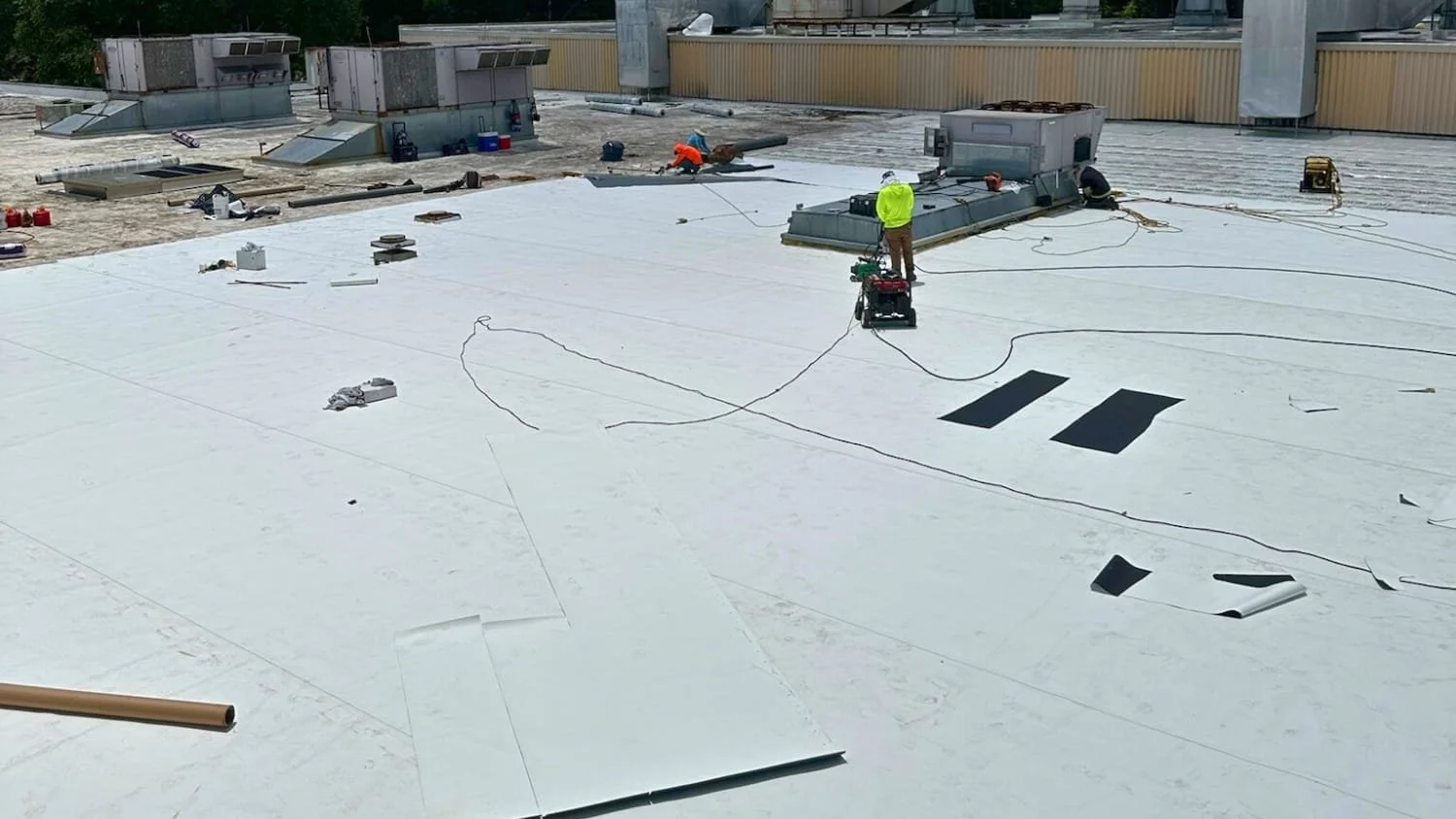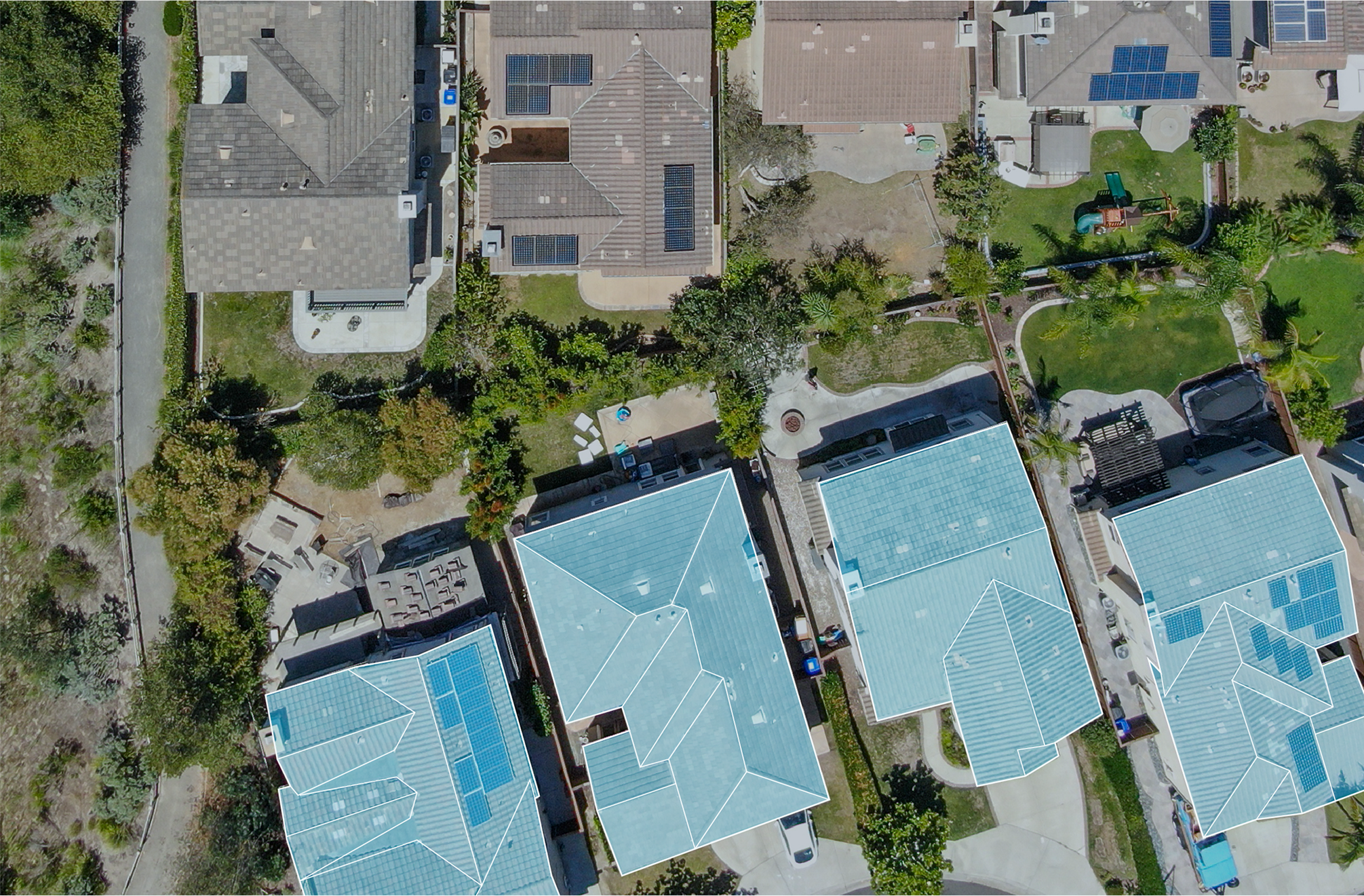
The First Interstate BancSystem headquarters campus on North 27th Street in Billings serves as the de facto anchor of the city's Class A office market, occupying a multi-building suburban campus format common to major regional employers in the Northern Plains. Re-roofing a Class A corporate campus in Billings requires managing the intersection of Montana's extreme cold-weather construction constraints, the building occupancy protocols that a working corporate headquarters demands, and the energy code requirements that govern a climate where heating season dominates the annual operating cost profile of every commercial building.
Occupied building protocols at a Billings corporate campus in winter require extraordinary coordination because the building's HVAC system is working at maximum capacity precisely when roofing work creates the most disruption risk. Winter re-roofing projects in Billings, when they are necessary rather than deferred to the more favorable summer window, require heated tenting over the work area, coordination with the building engineer to pre-close fresh-air intake dampers during tear-off phases, and a communication protocol that alerts tenant floors to construction noise windows. Winter work is only justified when a documented leak is creating ongoing tenant damage, and even then, the temporary repair followed by full re-roofing in the following summer is often the more cost-effective approach.
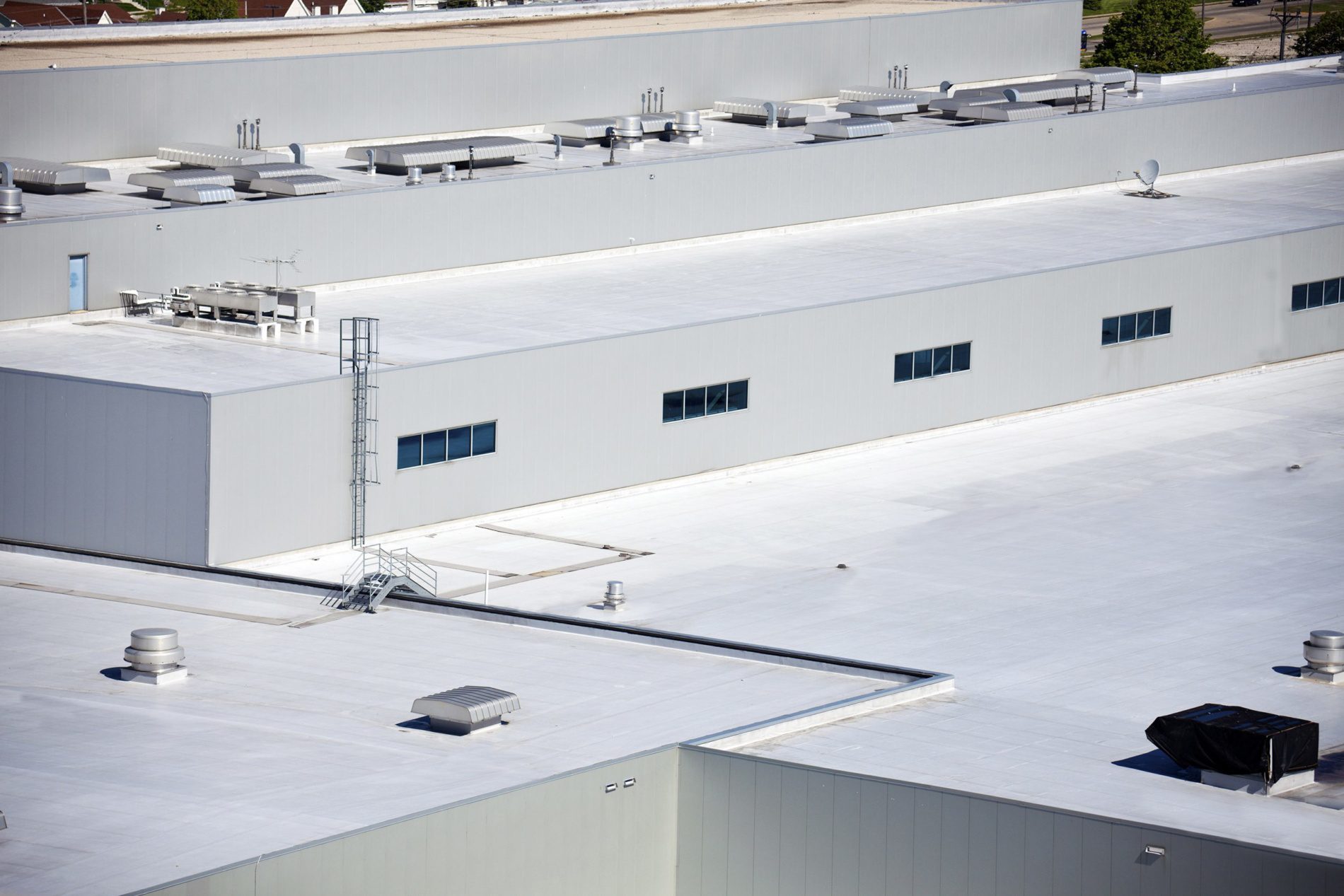
Green roof systems are occasionally evaluated for Billings corporate campus buildings, and the conclusion is almost always that the structural, maintenance, and freeze-thaw engineering requirements make them impractical for most Billings office buildings. A vegetated green roof in Billings must survive minus-twenty temperatures, spring freeze-thaw cycling, and the wind uplift of Chinook events, requirements that eliminate many green roof system types available in milder climates. White membrane cool roof systems with R-30 polyisocyanurate insulation achieve meaningful energy savings in Billings's climate at far lower structural and maintenance cost than any green roof alternative.
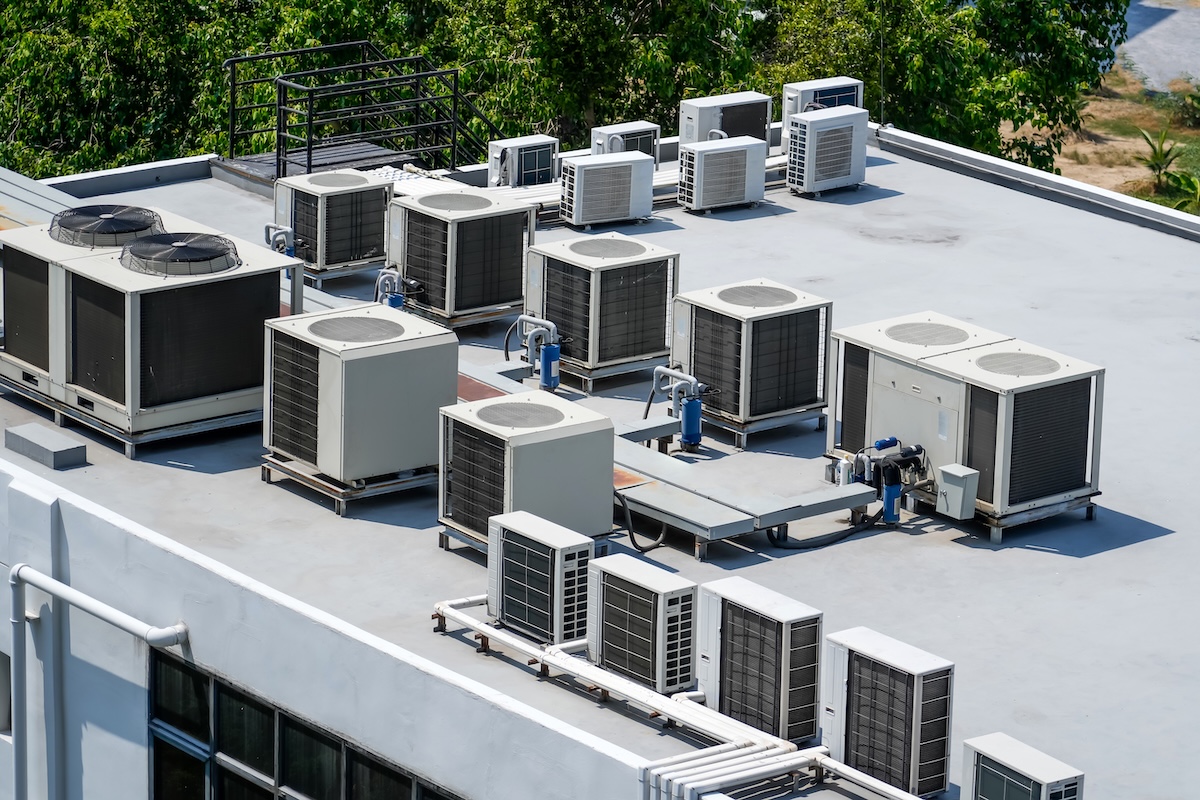
HVAC coordination on a Billings office campus re-roofing project is complicated by the building systems' dependence on continuous operation through the extended Montana heating season. Rooftop RTUs, heat pumps, and exhaust fans on Billings corporate campus buildings cannot be offline for more than a few hours during the heating season without creating tenant comfort complaints and, in severe cases, freeze protection concerns for occupied spaces with inadequate building envelope insulation. The re-roofing project schedule must be planned around a matrix of which equipment can be taken offline, in what sequence, and for what maximum duration, before the first section of roofing work begins.
Montana's commercial energy code requires compliance with the IECC's Climate Zone 6 provisions, which mandate minimum above-deck insulation of R-30 for new commercial construction and trigger significant insulation upgrades when re-roofing projects reach the threshold for code compliance applicability. A Billings office building that was constructed in the 1990s with R-15 to R-20 above-deck insulation and a dark EPDM or BUR membrane can achieve significant heating energy reductions by upgrading to R-30 polyisocyanurate with a white reflective cap sheet. Northwestern Energy offers commercial efficiency rebates for insulation upgrades on commercial re-roofing projects, and the rebate calculation should be part of the project budget analysis before the scope of work is finalized.
Lease obligations at Billings corporate campuses typically include landlord covenants in favor of major tenants requiring that the building envelope be maintained in good condition. The documentation required to satisfy these obligations, annual roof inspection reports, moisture survey results, and repair records, is also the documentation required by property insurers at renewal. A proactive roof asset management program that performs annual inspections each September, before the Chinook wind season, and documents findings in a formal report is the most cost-effective approach to satisfying both lease obligations and insurance documentation requirements simultaneously.
Cool membrane selection for Billings office buildings involves a different calculus than in warmer climates. The dominant energy use in a Billings office building is heating, and a highly reflective white membrane reduces solar heat gain in a climate where solar gain in the fall and spring is actually a beneficial contributor to heating load reduction. For this reason, some Billings building engineers specify a medium-reflectance membrane rather than the highest-SRI white available, accepting a slightly lower reflectance to retain some solar heat contribution in the shoulder seasons. The appropriate specification depends on the building's actual heating and cooling load profile, and should be evaluated in an energy model rather than assumed from a generic cool-roof recommendation.
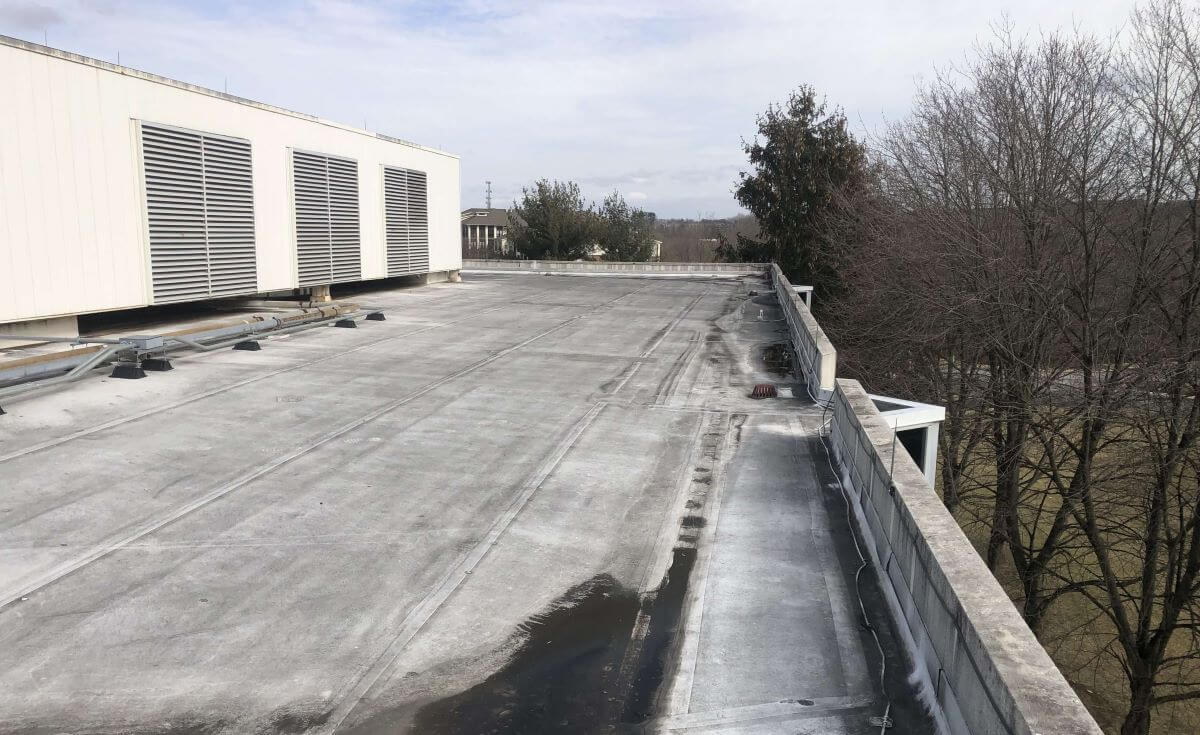
Snow management is a maintenance issue for Billings office building roofs that requires planning before re-roofing, not after. Corporate campus buildings with low-slope roofs are vulnerable to uneven snow accumulation when wind-driven snow drifts against parapet walls or rooftop mechanical enclosures, creating load concentrations that the structural deck was not designed for. Every Billings office re-roofing project should include a drainage and snow management study that identifies drift-prone areas, adds or repositions equipment screening to reduce drift accumulation, and ensures that all parapet coping caps are secured against Chinook wind uplift before the re-roofing project is considered complete.
Selecting a roofing contractor for a Billings office campus project means verifying their Montana contractor license, their cold-weather installation experience, and their specific references from comparable Class A office projects in the Northern Plains market. First Interstate BancSystem and other major Billings corporate campus tenants have high standards for construction management, and a roofing contractor who approaches the project with a warehouse-style production mentality rather than an occupied-building service mentality will create tenant relations problems that cost more to resolve than the project itself. Request a formal occupied-building protocol from the contractor before bidding and evaluate it as part of the selection criteria.
- Should a Billings corporate campus office building be re-roofed in winter?
- Only if a documented active leak is causing ongoing tenant damage. Winter re-roofing in Billings requires heated tenting, fresh-air intake isolation, and extended schedule duration at significantly higher cost than summer work. The standard recommendation is temporary repair followed by full re-roofing in the following May-to-September window.
- What energy code requirements apply to office re-roofing in Billings?
- Montana's adopted IECC Climate Zone 6 requirements mandate R-30 minimum above-deck insulation for commercial construction. Re-roofing projects that trigger full compliance require insulation upgrades. Northwestern Energy offers commercial rebates for above-code insulation, and the rebate calculation should be part of the pre-bid budget analysis.
- Are green roofs practical for Billings office buildings?
- Generally no. The structural demands of a saturated growing medium under Montana snow loads, combined with Chinook wind uplift requirements and freeze-thaw engineering constraints, make green roofs impractical for most Billings buildings. White membrane cool roof systems with R-30 insulation achieve comparable energy savings at far lower cost.
- How should HVAC equipment be managed during a Billings office re-roofing project?
- Develop a matrix before work begins showing which equipment can be taken offline, in what sequence, and for what maximum duration, based on the building's heating season requirements. No equipment serving occupied spaces should be offline for more than a few hours in winter without a temporary heat solution in place.
- What is snow drift management and why does it matter for Billings office roofs?
- Wind-driven snow drifts against parapet walls and mechanical enclosures can create load concentrations exceeding structural design limits. Every Billings office re-roofing project should include a drift study, repositioning of equipment screens to reduce drift accumulation, and confirmation that parapet coping caps are secured against Chinook wind uplift.