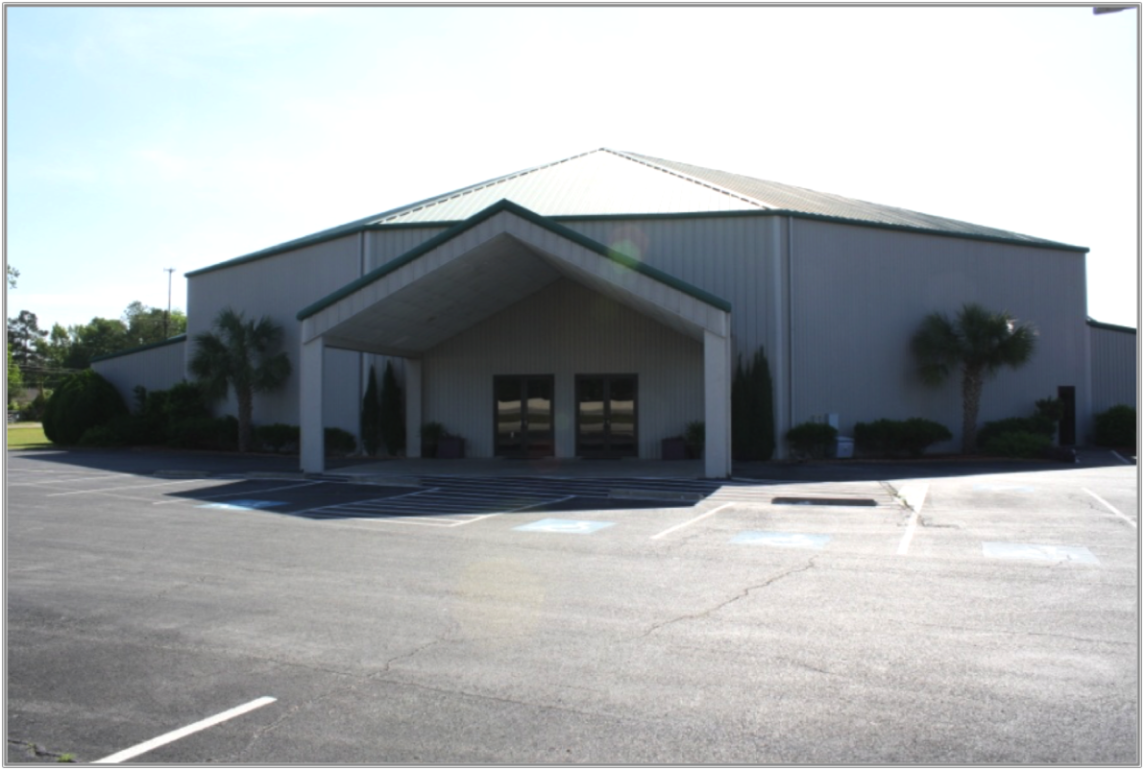
First United Methodist Church of Billings has stood as one of the city's most recognizable religious landmarks for generations, and its roof has had to endure some of the most demanding winter conditions that any building in the mountain west can face. Churches across Billings and the broader Yellowstone County area deal with snowfall totals, drifting patterns, and freeze-thaw cycles that demand a level of structural and waterproofing expertise far beyond what a standard commercial roofing crew is prepared to deliver. Our team specializes in ecclesiastical roofing across Montana, and snow load engineering is at the center of every project we undertake.
The extreme snow load reality of Billings winters cannot be overstated for anyone responsible for a church building. Ground snow loads in this region regularly exceed 30 pounds per square foot, and drifting against parapets, dormers, and steeple bases can accumulate loads two to three times the open-ground figure. Clear-span sanctuary roofs that rely on long-span trusses are particularly vulnerable because there is no interior support to redistribute an unexpectedly heavy drift. We work with licensed structural engineers to verify that any new roofing system we install is compatible with the roof structure's actual load capacity before a single square of material goes on.
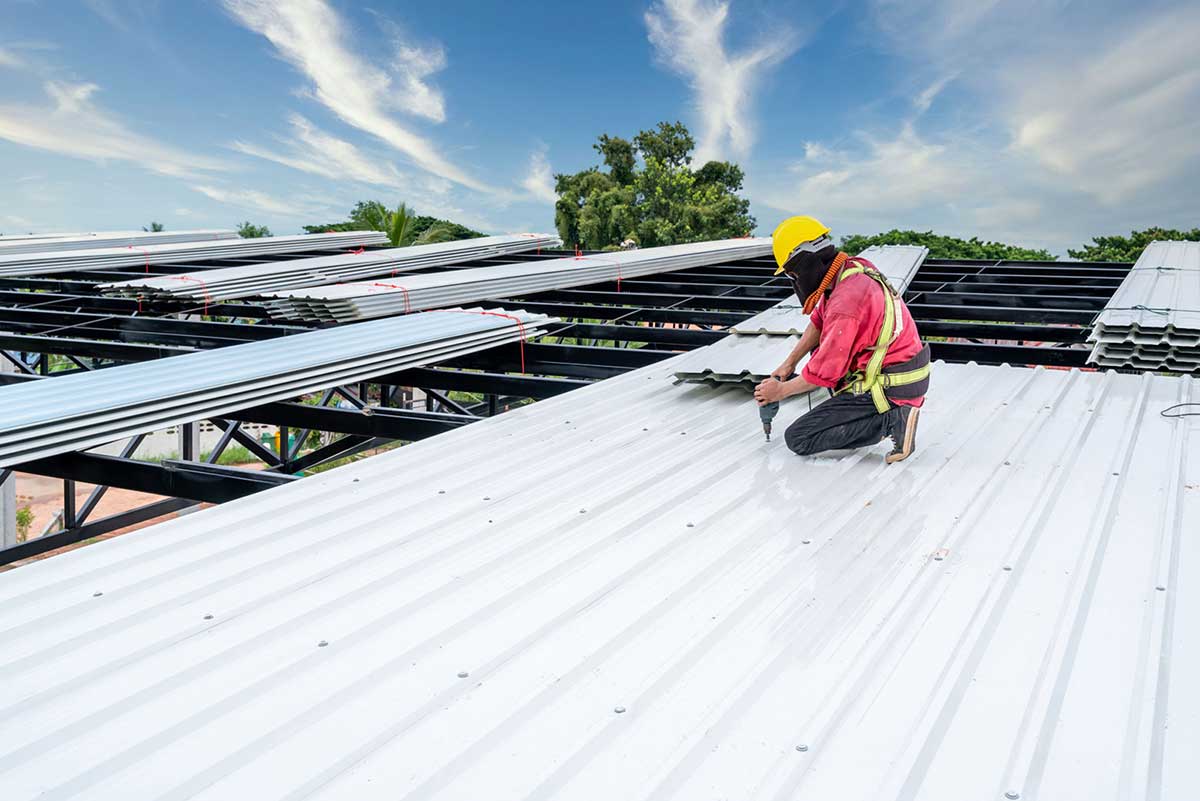
Metal roofing systems are the dominant choice for Montana churches because standing seam steel handles snow shedding, freeze-thaw cycling, and the dramatic temperature swings between a January cold snap and an April warm spell better than any membrane system. A properly detailed standing seam roof will shed snow cleanly, reducing the sustained load that a church structure must carry through a long winter. We install snow retention systems on lower roofs and over entryways so that shedding snow does not create a hazard for congregants arriving for services.
Architectural elements common to Montana's historic churches present specific roofing challenges in this climate. Steep-pitch sanctuary roofs, dormers, and decorative gables create valleys and intersections where ice damming is most likely to develop. An ice dam forms when heat escaping through the roof melts snow at the ridge and that meltwater refreezes at the cold eave, backing up under shingles or standing seam panels and finding its way inside. We address ice damming through a combination of proper insulation, ventilation design, and self-adhering ice and water barrier installation at all vulnerable transitions.
Capital campaigns in Montana's religious communities often reflect the economic rhythms of agriculture and energy industries that underpin the regional economy. We work with church finance committees to provide estimates that can be incorporated into multi-year fundraising plans, and we help building committees understand the cost of delay, specifically, what deferred roof maintenance will cost in accelerated structural damage over a Montana winter. That honest analysis often motivates donors who might otherwise view roofing as a mundane investment to recognize the true urgency.
Scheduling roofing work in Billings requires careful attention to the weather window. The reliable warm season runs from late May through early September, and we plan major replacement projects to fall entirely within that window whenever possible. We do not install membrane systems when temperatures are below 40 degrees Fahrenheit, and we do not install metal panels during high wind events that are common across the open plains east of Billings. Our scheduling discipline protects the quality of the finished installation.
Church committee decision processes take time, and we are patient partners throughout that process. We provide written proposals with detailed scope narratives, material specifications, and warranty documentation that building committees can review between meetings. We are available by phone or video call to answer follow-up questions, and we have no problem providing references from other Montana churches that have completed projects with our team.
Minor repair and maintenance work can often prevent a small problem from becoming a catastrophic failure during a Montana winter. A missing caulk joint at a pipe penetration, a lifted panel seam, or a clogged roof drain can allow water to enter and freeze, expanding in place and causing damage far out of proportion to the original defect. Our preventive maintenance program catches these conditions in the fall, before the first serious snowfall, so that your church building is buttoned up and ready for whatever winter delivers.
From the historic stone churches in downtown Billings to newer suburban campuses west of the city, our team has the experience and the equipment to handle every ecclesiastical roofing project in this market. We own our own aerial lift equipment and we carry the liability and workers' compensation coverage that your building committee's insurance requirements demand. Call us to schedule a complimentary roof assessment and let us show you what professional church roofing looks like in Montana.
- What snow load standard do you design to for Billings church roofs?
- We reference the current International Building Code ground snow load maps alongside local jurisdiction amendments and coordinate with a licensed structural engineer on any project where we have concerns about the existing roof structure's load capacity. Safety is never compromised to save material cost.
- Is standing seam metal the right choice for every Montana church?
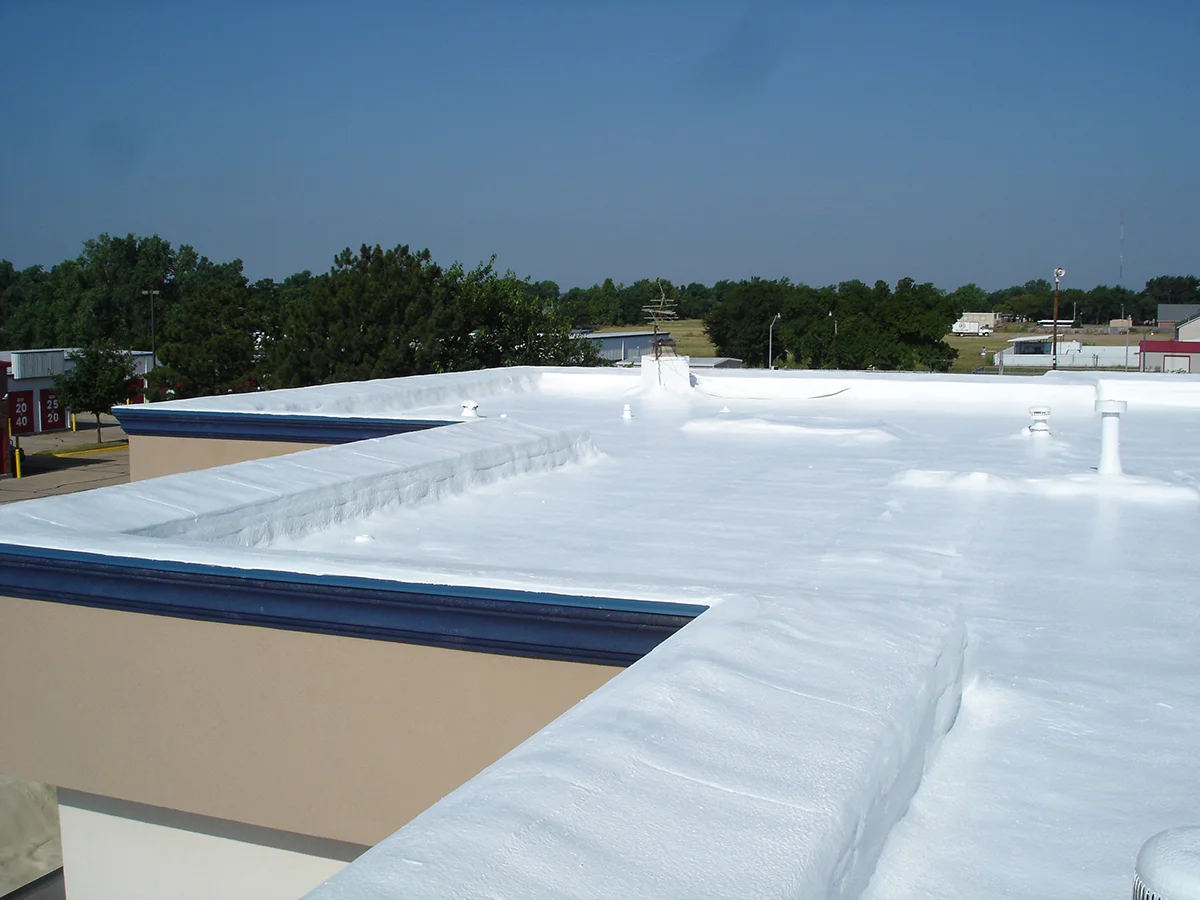
- It is the right choice for most steep-slope applications and many low-slope designs. For very low-slope roofs, we also use fully adhered TPO or modified bitumen with enhanced insulation packages designed to resist the freeze-thaw cycling that damages less robust systems.
- How do you handle ice damming on older church buildings?
- Ice dam prevention requires addressing both the symptom and the cause. We install self-adhering ice and water barriers at all eaves, valleys, and transitions, and we evaluate the attic insulation and ventilation to reduce the heat loss that drives ice dam formation in the first place.
- Can you phase the project across two construction seasons?
- Yes, and this is actually a common approach for larger Montana churches that are funding the project through a capital campaign. We identify the most vulnerable sections for first-phase completion and design the phasing so that the building is fully weathertight at the end of each season.
- What warranties are available on Montana church roofing projects?
- Manufacturer system warranties of 20 to 30 years are available on qualifying standing seam metal and single-ply membrane systems when installed by a certified contractor. We also provide a workmanship warranty covering labor and installation details independent of the manufacturer coverage.