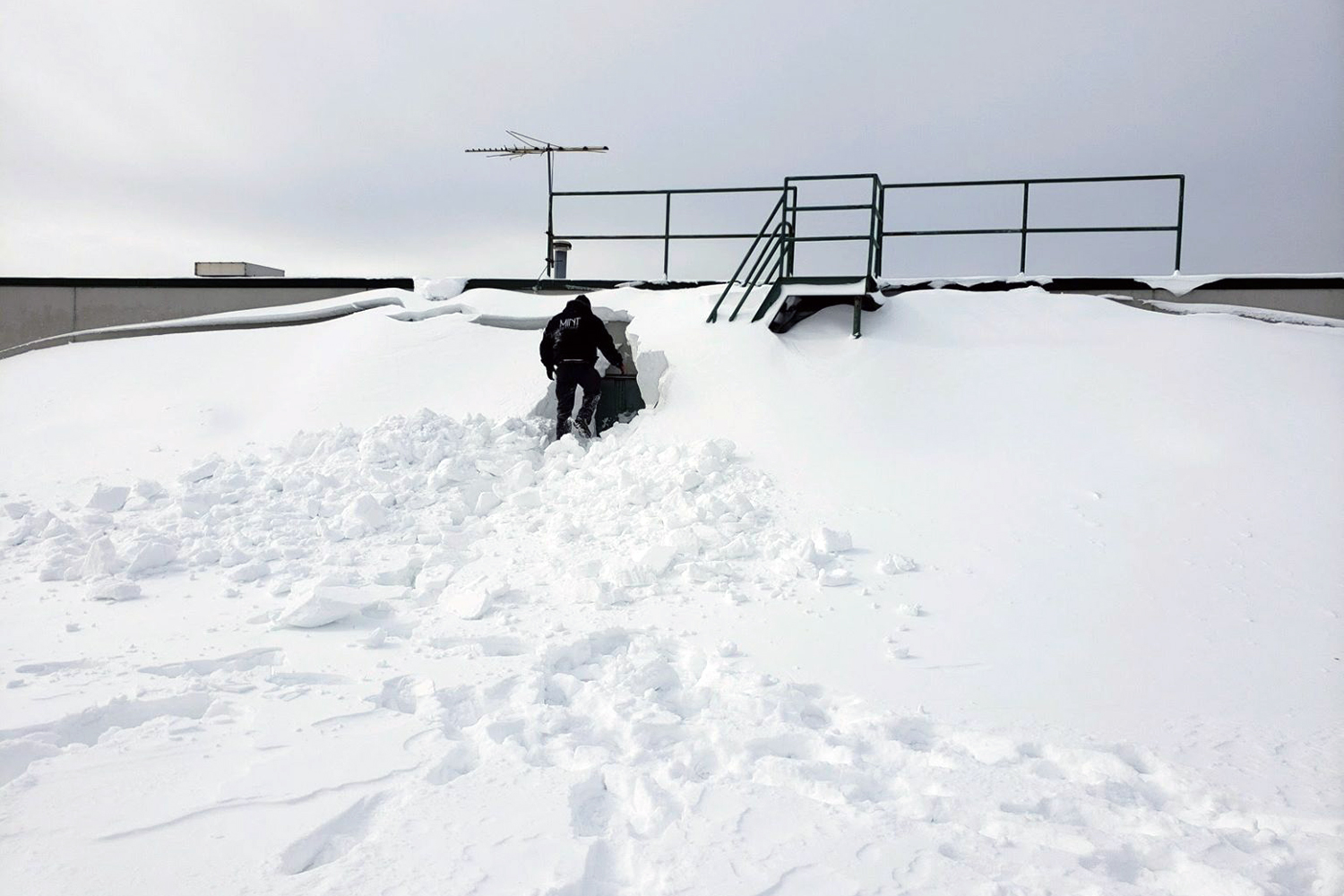
Montana winters put a different kind of stress on commercial roofs than a single storm event does. Heavy snow load sits on a roof for weeks, ice dams form at drains and parapets during freeze-thaw swings, and by the time a leak shows up inside the building the damage that caused it may go back to the first hard freeze. Snow and ice claims need documentation that covers a season, not a single date.
We're your roofing contractor, not a public adjuster — we inspect, document, and substantiate the roof damage so you and your insurance adjuster are working from an accurate scope, not a guess about when the damage happened.
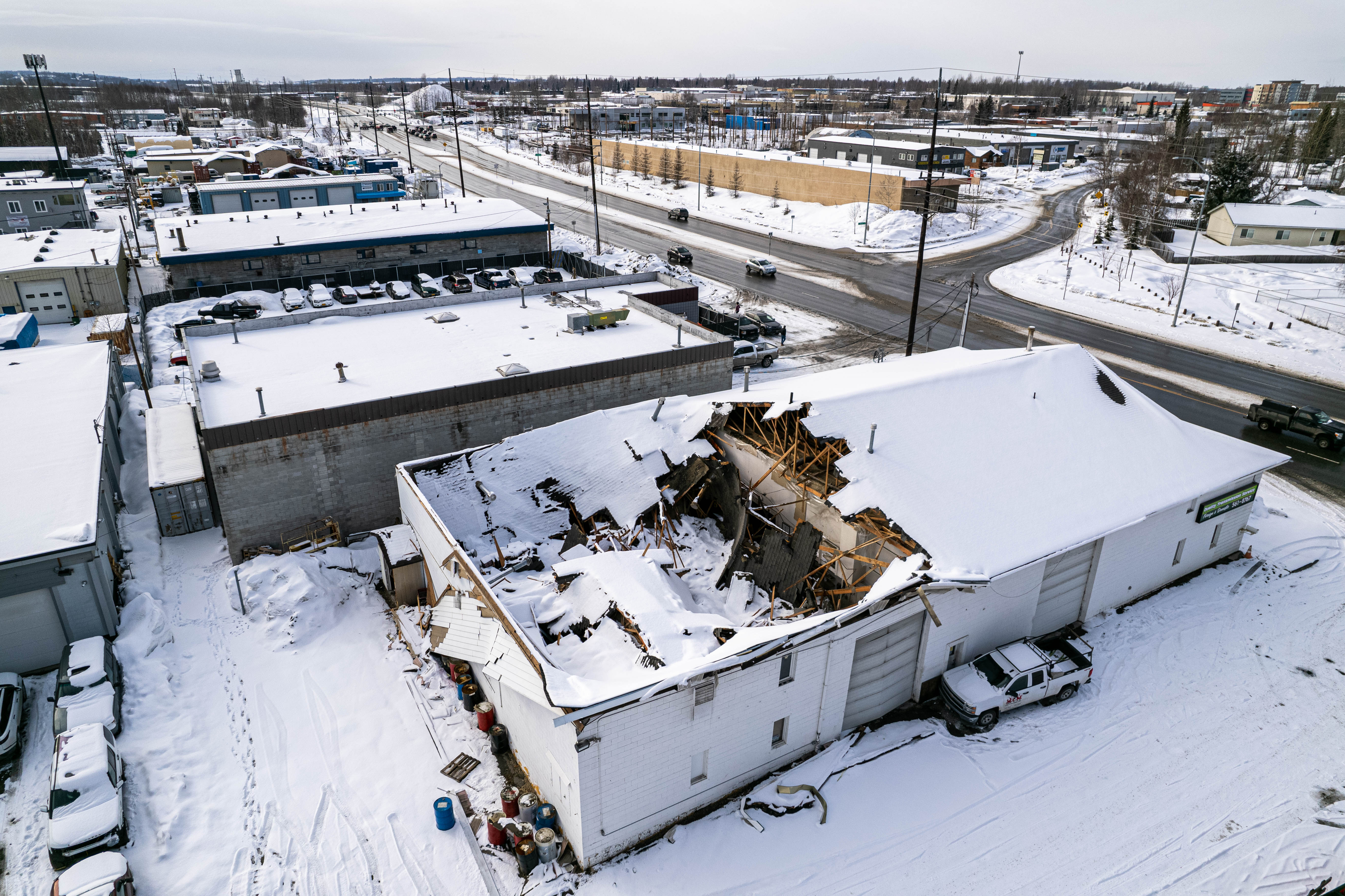
Snow load damage often shows first as deck deflection — a roof section that sags or ponds differently than it used to, sometimes visible from below as a stress crack in the ceiling. We measure and photograph deflection where it appears, note the roof structure type, and flag areas where accumulated snow weight is the likely cause rather than an installation issue or unrelated structural wear.
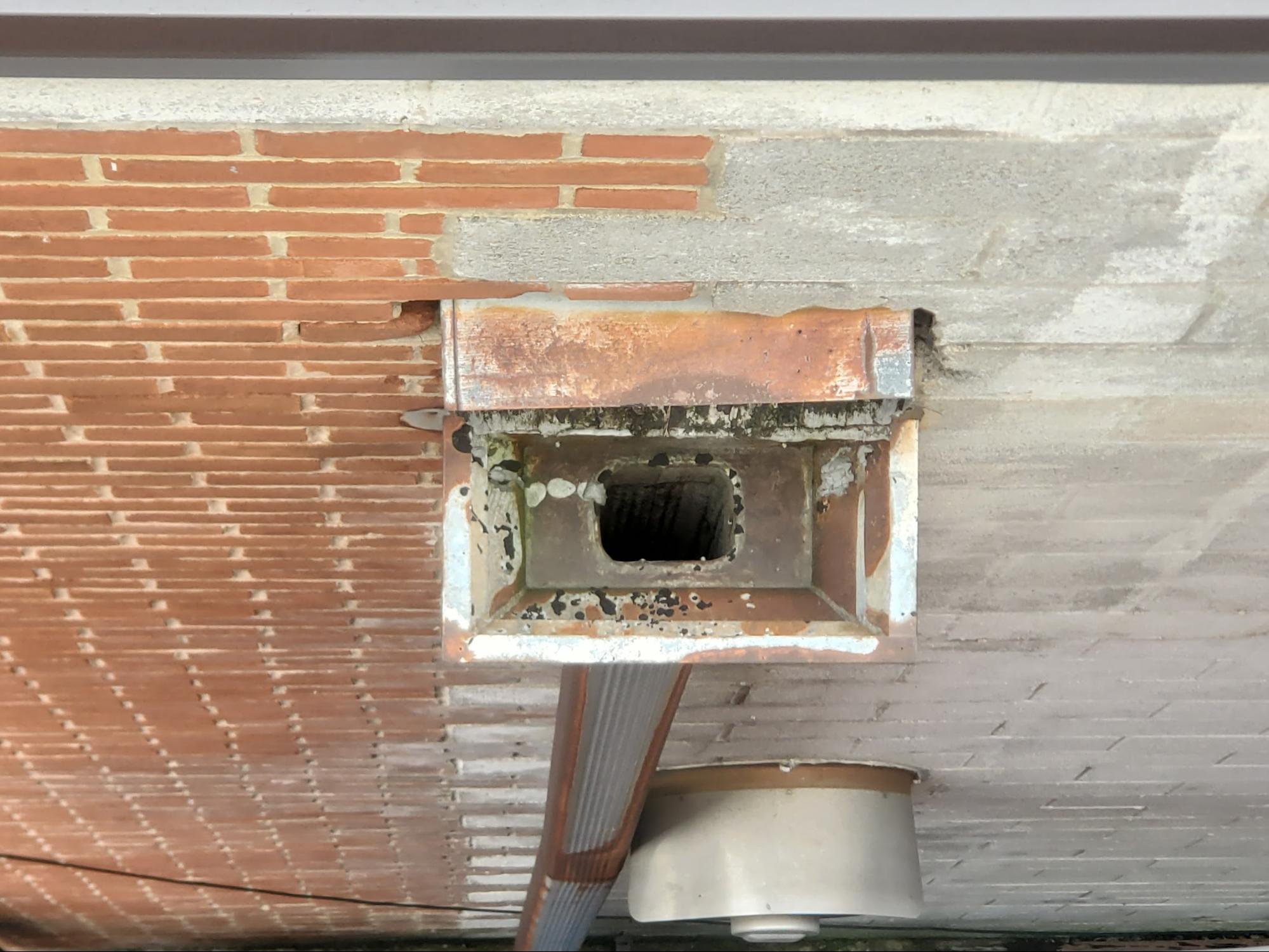
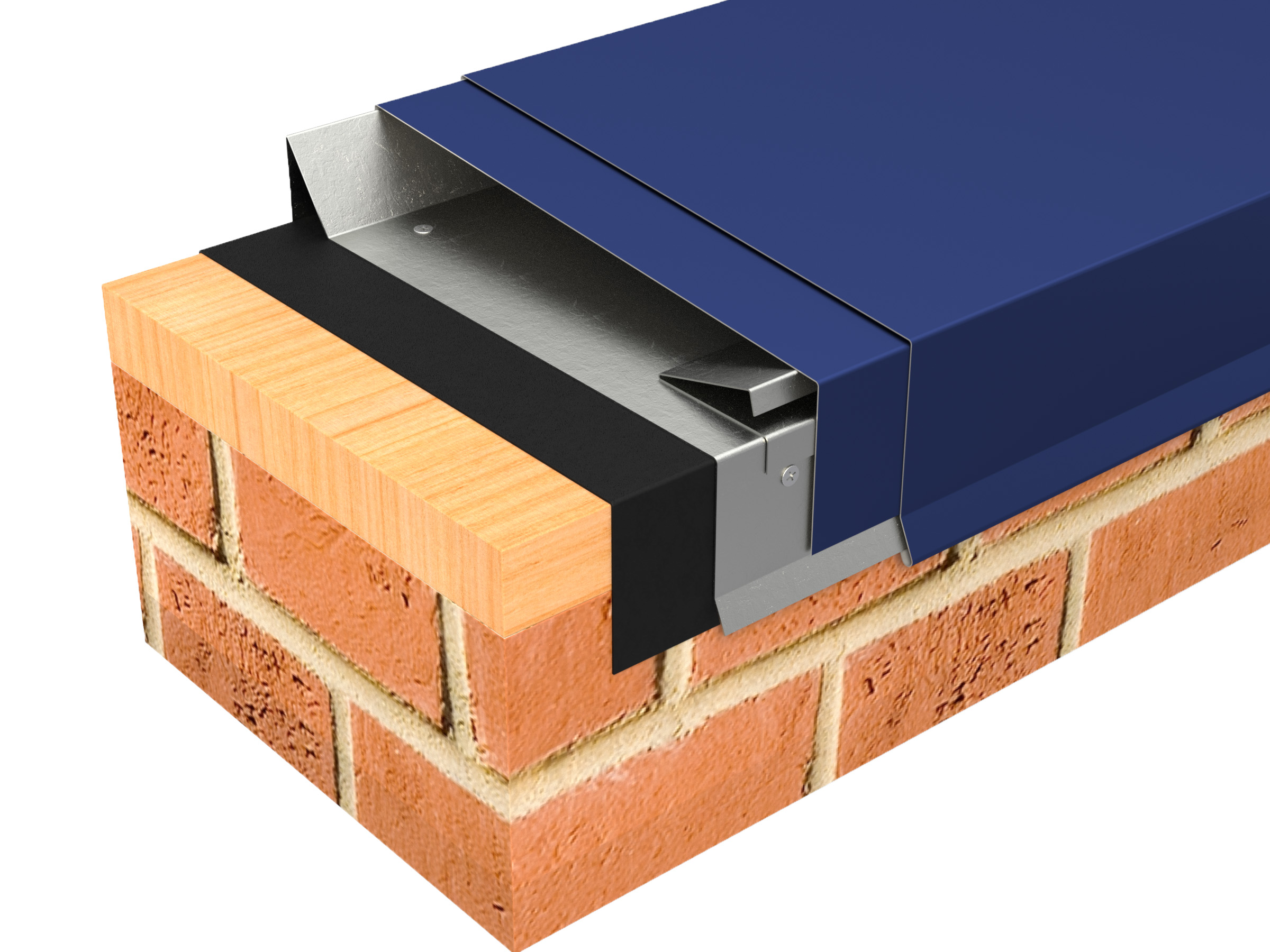
Ice dams are the more common culprit behind interior leaks on Montana commercial roofs. Meltwater from a warmer roof section refreezes at a colder edge, parapet, or drain, backing up under the membrane or through flashing that was never designed to hold standing water. We trace ice dam locations, check drain and scupper function, and document where membrane or flashing failure lines up with the ice pattern rather than assuming every winter leak is a membrane defect.
Freeze-thaw cycling is its own slow-moving damage source across Montana, and it doesn't stop at any one storm. Repeated expansion and contraction opens seams, works flashing loose, and fatigues membrane faster at elevation than it would in a milder climate. When a claim involves freeze-thaw, we document the specific seam and flashing failures we find and note whether the pattern is consistent with a single severe event or gradual seasonal stress, since that distinction affects how an adjuster reads the claim.
Interior water staining is often the first sign an owner notices, and tracing it back to the right roof zone takes more than looking straight up. We map interior staining against roof plans, drain locations, and known problem areas, then confirm the exterior source before it goes into the claim documentation. Getting that connection right matters — a scope pointed at the wrong roof zone won't hold up when the adjuster walks the roof.
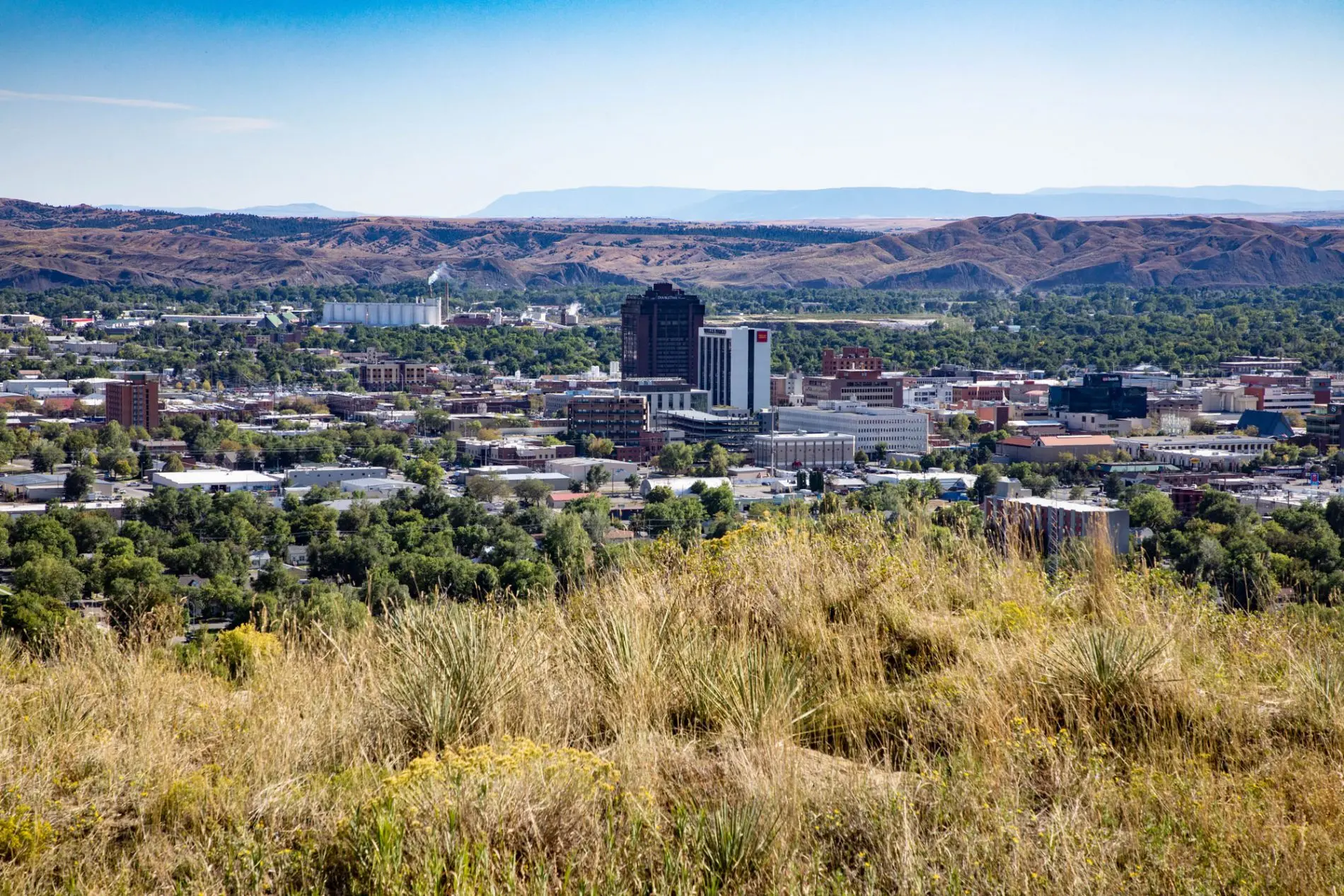
Ag and ranch-support buildings across the state often carry large, low-pitch roofs with long spans between drains, which makes them more exposed to snow load and ice dam issues than smaller commercial buildings. Around Billings, warehouse and industrial roofs near the rail corridor see similar drainage stress, while healthcare and campus buildings need documentation that accounts for tighter access and occupied-space concerns during a winter inspection.
Because snow and ice damage builds over time, the claim scope needs to separate what a specific storm or freeze event caused from what's simply an aging roof reaching the end of its service life. We itemize that in the field report — drain condition, membrane age, prior patch history, and the specific ice or snow-related failures we found — so the claim reflects the roof's real condition.
If a claim comes back underpaid because the winter event was treated as ordinary wear, we can re-inspect and provide additional documentation on drain function, ice dam patterns, or deck condition to support a re-review. We don't handle the negotiation with the insurer, but the roof evidence should make the distinction clear either way.
If you're seeing interior staining, roof sag, or ice buildup at drains this winter, the roof holds the clearest evidence before spring thaw and repeated freeze-thaw cycles blur the pattern further.