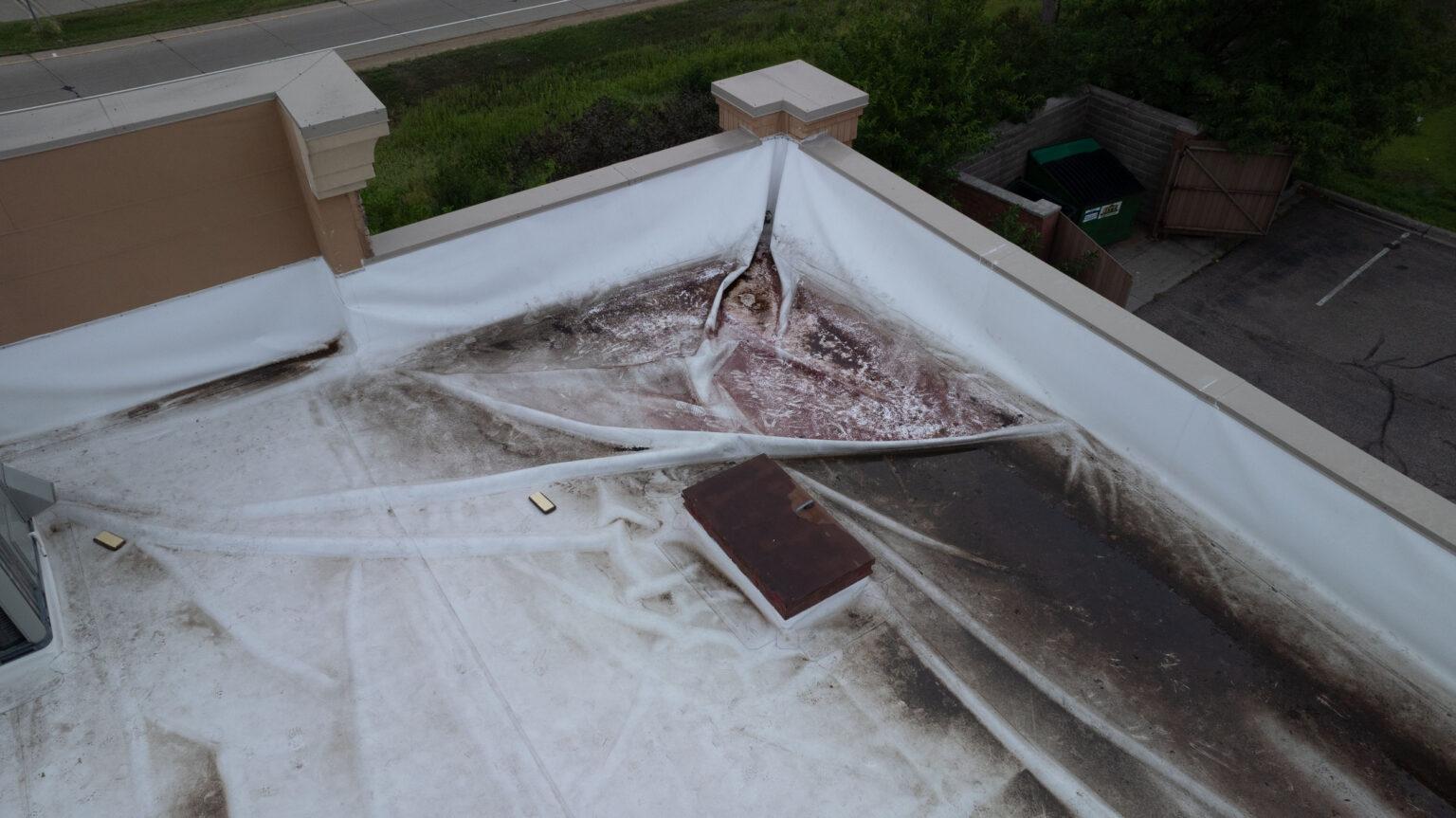
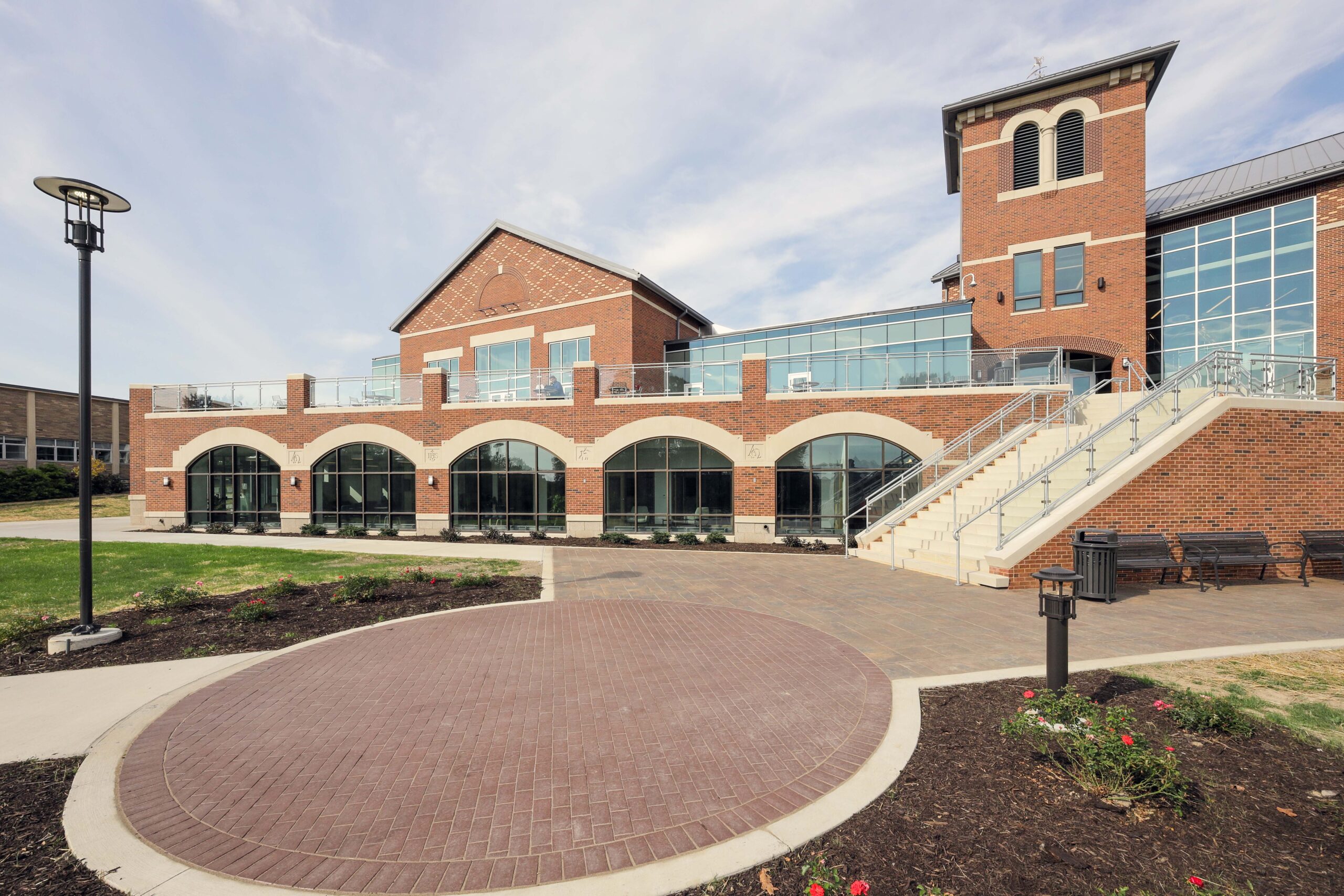
Montana State University in Bozeman and Rocky Mountain College in Billings together anchor the higher education roofing market in the Billings area, with Rocky Mountain College's compact urban campus presenting the more immediate and operationally complex roofing challenges. Rocky Mountain College's mix of historic campus buildings, including Prescott Hall and Losekamp Hall, both on the National Register of Historic Places, and modern academic and athletic facilities requires a roofing program that can navigate the technical demands of historic preservation, Montana's extreme climate, and the scheduling constraints of a campus where every building serves student learning throughout the academic year.
Historic building preservation at Rocky Mountain College in Billings requires roofing contractors who understand the Montana State Historic Preservation Office's review process and who have hands-on experience with historic roofing materials including slate, clay tile, and built-up roofing on aged structures. Re-roofing a National Register building in Montana is not simply a matter of selecting a modern membrane product; it involves documentation of the existing roofing material, consultation with preservation professionals about appropriate replacement alternatives, and in many cases submission of a treatment plan for SHPO review before work can proceed. Contractors who have navigated this process on previous Montana historic building projects bring institutional knowledge that reduces both the time and cost of compliance.
Semester scheduling at Rocky Mountain College, like at all Montana colleges and universities, centers on a narrow summer window for major roofing work. The compressed nine-week window between the end of spring finals and the beginning of fall move-in is the primary construction access period for buildings that house students or active academic programs. Roofing contractors must be able to mobilize a full crew, complete their scope, and have the building weather-tight and accessible before students return, a timeline constraint that makes project pre-planning as important as the roofing work itself. Material procurement delays, permit issues, or unforeseen structural repairs discovered during tear-off can all cause timeline failures that are measured in significant financial and reputational cost.
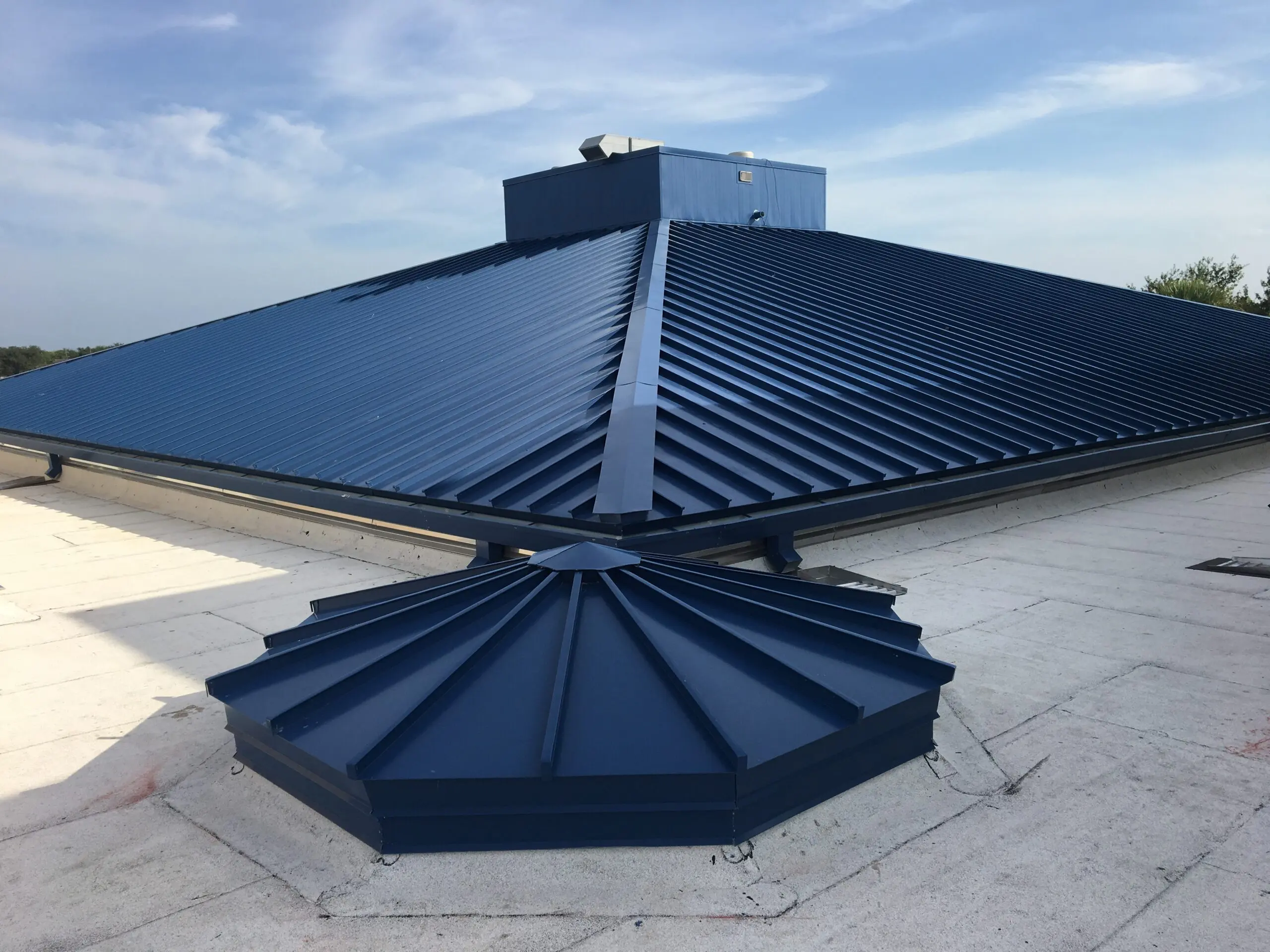
Montana's extreme climate, with Billings experiencing temperatures from minus 30°F in winter to over 100°F in summer, places demands on roofing systems at Rocky Mountain College that are more severe than the building codes fully capture. Snow loads in Billings can be substantial, and historic campus buildings with complex roof geometries, multiple dormers, valleys, and intersecting slopes, create drift accumulation points that can develop loads significantly above the ground snow design load. Re-roofing projects on these buildings should include a structural evaluation of drift-prone areas before additional insulation weight is added, and heated valley and gutter systems are a valuable investment for buildings where ice dams have been a recurring maintenance issue.
LEED certification at Montana higher education institutions reflects both environmental values and practical energy economics in a state where heating costs are a major facility expense. Rocky Mountain College's sustainability commitments align with roofing improvements that increase insulation R-values, improve solar reflectance, and reduce building energy use intensity. Re-roofing projects that achieve LEED credit contributions must document product data for cool roof ratings and insulation performance values, and contractors working on LEED projects should be familiar with the certification documentation process well before the project begins to ensure that all required product submittals are collected during construction rather than retrospectively.
Campus program continuity during roofing projects at Rocky Mountain College requires careful coordination with each building's academic schedule. Athletic facilities, science laboratories, the Fortin Library, and residential halls each have different operational constraints that affect roofing project access. The facilities team at Rocky Mountain College coordinates a summer project planning session in late spring each year where roofing contractors and other trades review building schedules, identify conflicts, and establish priority sequencing for the summer construction window. Contractors who participate actively in this planning process consistently report smoother project execution than those who develop their schedules independently.
Energy performance improvements from re-roofing at Billings higher education institutions are financially significant given Montana's heating climate. Montana State University Extension energy data for similar campus buildings suggests that upgrading roof insulation from R-15 to R-30 reduces heating energy consumption by 8 to 12 percent for buildings with high roof-to-floor-area ratios, and that upgrading to R-38 or higher can produce total savings of 15 to 20 percent. For a medium-sized academic building in Billings with annual heating costs in the range of $80,000 to $120,000, this translates to $12,000 to $24,000 per year in savings, producing simple paybacks of five to eight years on the insulation upgrade premium cost.
Maintenance program funding at Montana's smaller private colleges like Rocky Mountain College is constrained by the financial realities of small-enrollment institutions competing for students in a challenging demographic environment. Facilities managers who can demonstrate the lifecycle cost advantage of preventive roofing maintenance, showing that $1 invested in annual inspections and minor repairs avoids $4 to $6 in accelerated replacement costs, have the best success making the case for consistent maintenance funding. Developing a 20-year capital plan for the entire campus roofing portfolio, with specific annual budget requirements, provides the finance and administration team with the visibility needed to plan reserves rather than responding to roofing emergencies from operating funds.
Roof access safety at campus buildings in Billings must comply with OSHA requirements and with the enhanced safety expectations of higher education institutions where student and employee safety is a primary institutional value. All roofing contractors working on Montana college campuses must provide a site-specific safety plan, OSHA 10 or 30 certification for on-site supervisors, and documentation of fall protection equipment inspection. Campuses that have experienced roofing contractor safety incidents face significant reputational and liability exposure, and facilities managers who prioritize documented safety compliance in contractor selection protect both the campus community and the institution's risk management program.
- What historic preservation requirements apply to re-roofing historic buildings at Rocky Mountain College?
- Buildings on the National Register of Historic Places require a State Historic Preservation Office review before exterior alterations including roofing replacement. The review process involves submitting the proposed scope of work with documentation of the existing conditions and the proposed replacement materials and methods. SHPO typically responds within 30 days, and their guidance should be incorporated into the project specification before contractor bidding. Buildings with federal funding or federal permits also trigger Section 106 review, which involves a consultation process with interested parties.
- How can Billings higher education institutions fund roof insulation upgrades?
- Montana higher education institutions have access to NorthWestern Energy's commercial efficiency rebate program and to the Montana Department of Environmental Quality's alternative energy revolving loan program. Federal sources including USDA Rural Development grants, ESPC performance contracts, and qualified school and college bonds have all been used for Montana campus building improvements. A facilities assessment that documents the current energy performance baseline and projected improvement provides the documentation foundation needed to apply for most funding sources.
- What LEED version is most applicable for campus re-roofing projects in Montana?
- Existing building re-roofing and renovation projects typically use LEED for Building Operations and Maintenance (O+M) or LEED for Existing Buildings: Operations and Maintenance rather than the new construction rating system. The specific applicable version and credit requirements should be confirmed with the institution's sustainability coordinator or with a LEED AP professional before the project scope is finalized, as credits and requirements have evolved across LEED versions and the most current applicable version should be used.
- How should summer roofing projects at Rocky Mountain College be scheduled to avoid student move-in?
- Residential building roofing projects should target completion at least two weeks before the scheduled student move-in date to allow for final inspections, punch list work, and any debris cleanup that could affect move-in safety. The project schedule should build in a five-to-seven-day weather contingency given Billings' potential for summer hailstorms and high winds that can interrupt roofing work for multiple days. Projects that are on or behind schedule entering the final two weeks before move-in should plan for extended-hour or weekend work to recover schedule without affecting the move-in milestone.
- What special roofing considerations apply to historic dormers and complex roof geometries at Montana college buildings?
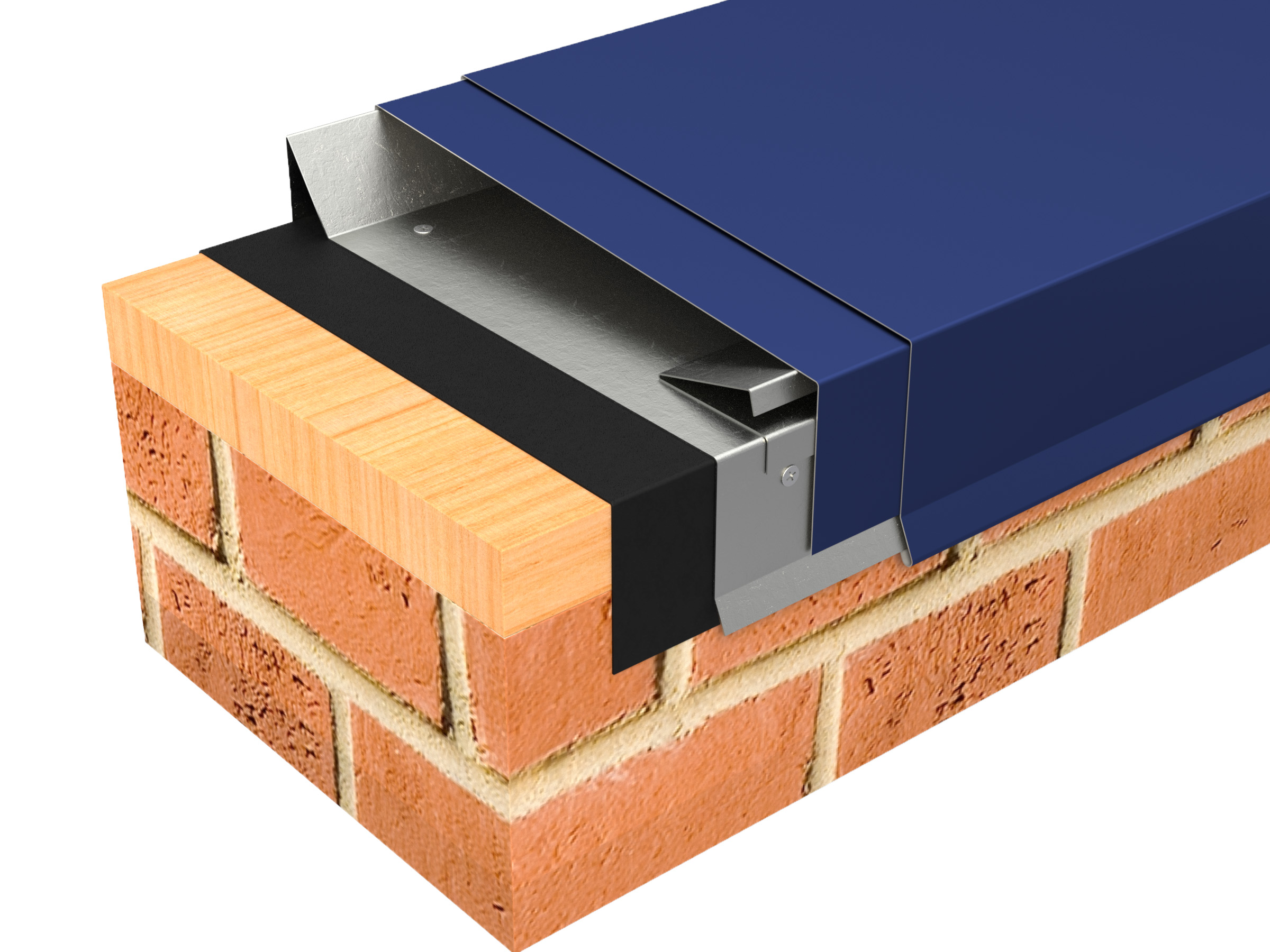
- Complex historic roof geometries with dormers, valleys, and intersecting slopes require detailed pre-project measurement and templating to ensure that new roofing materials are fabricated to fit before installation begins. Valley drainage details must be designed to handle concentrated flow from multiple roof surfaces without overwhelming the valley width. Heated flashing systems in valleys and at dormer bases are recommended for Montana's climate to prevent ice dam formation that can force water under flashings during freeze-thaw cycles. Material procurement lead times for custom-fabricated metal flashing components should be factored into the project schedule.