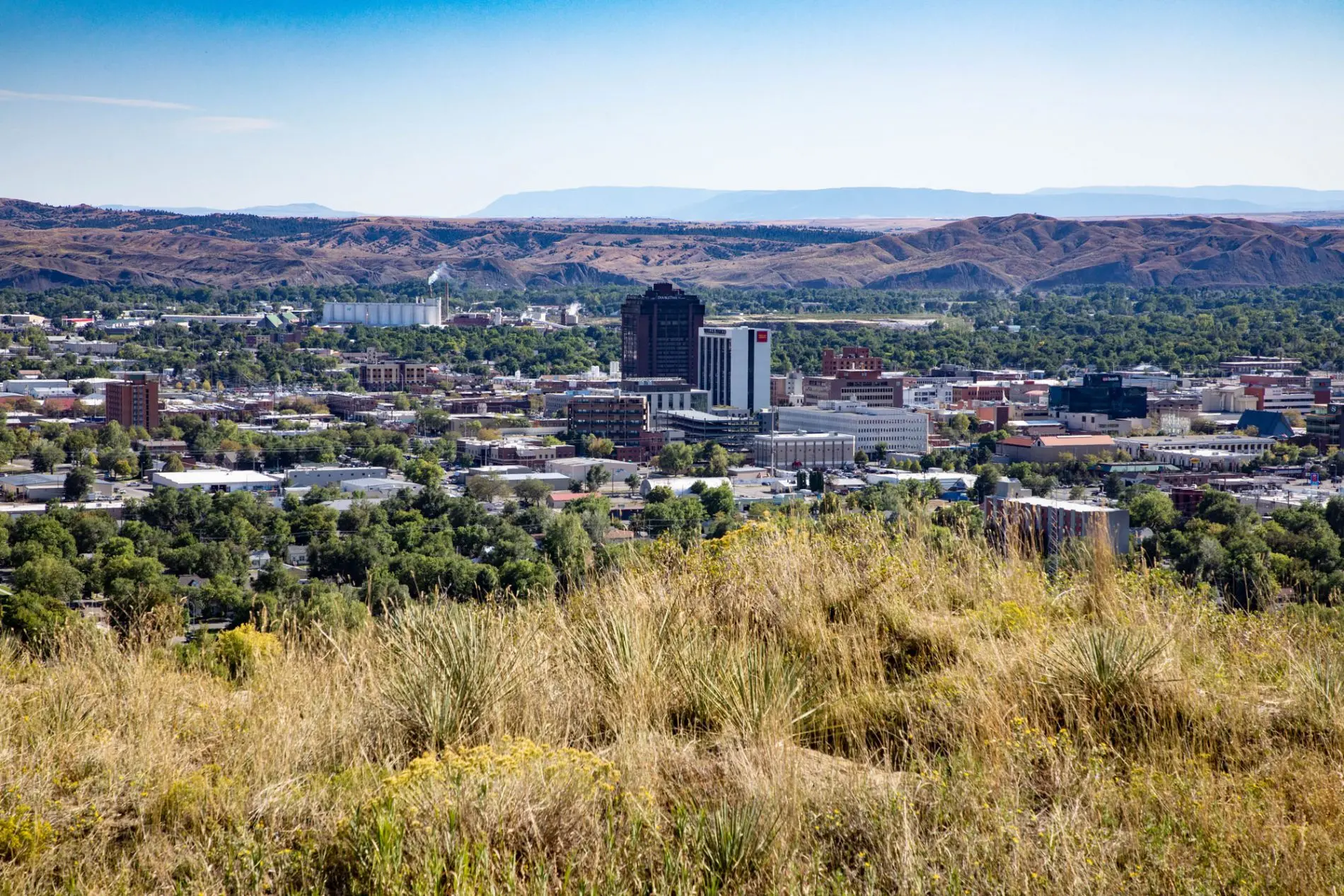
Eastern Montana's plains sit among the more hail-exposed stretches of the country, and Billings has had its share of storms that leave dented vehicles in a parking lot and a roof that looks fine from below. Low-slope commercial membranes don't show hail damage the way a car hood does, which is exactly why a hail claim on a flat or low-slope roof needs a contractor who knows what to look for before the adjuster shows up.
We're your roofing contractor, not a public adjuster — we inspect, document, and substantiate hail damage so you and your insurance adjuster are working from an accurate scope, not guesswork.
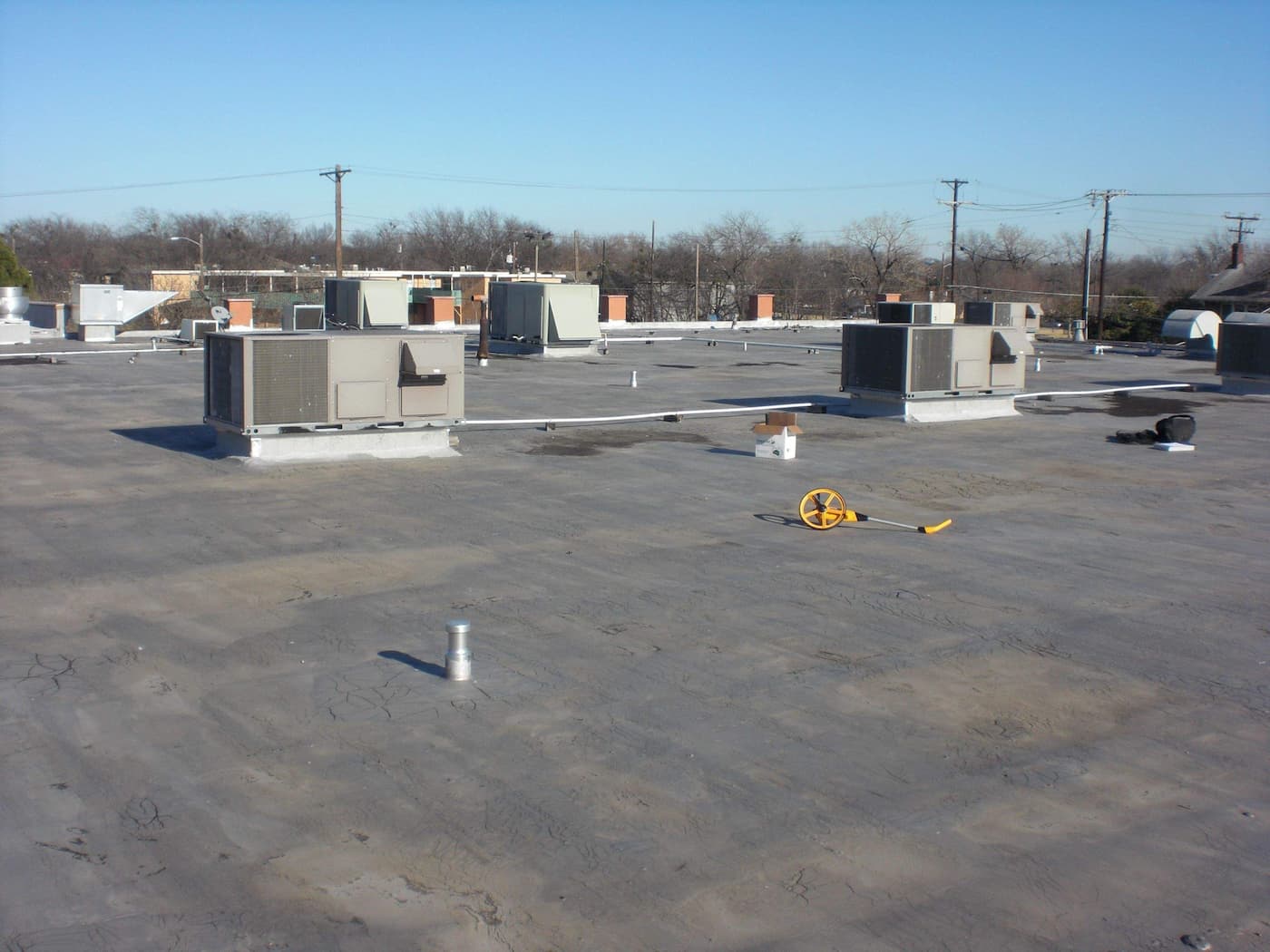
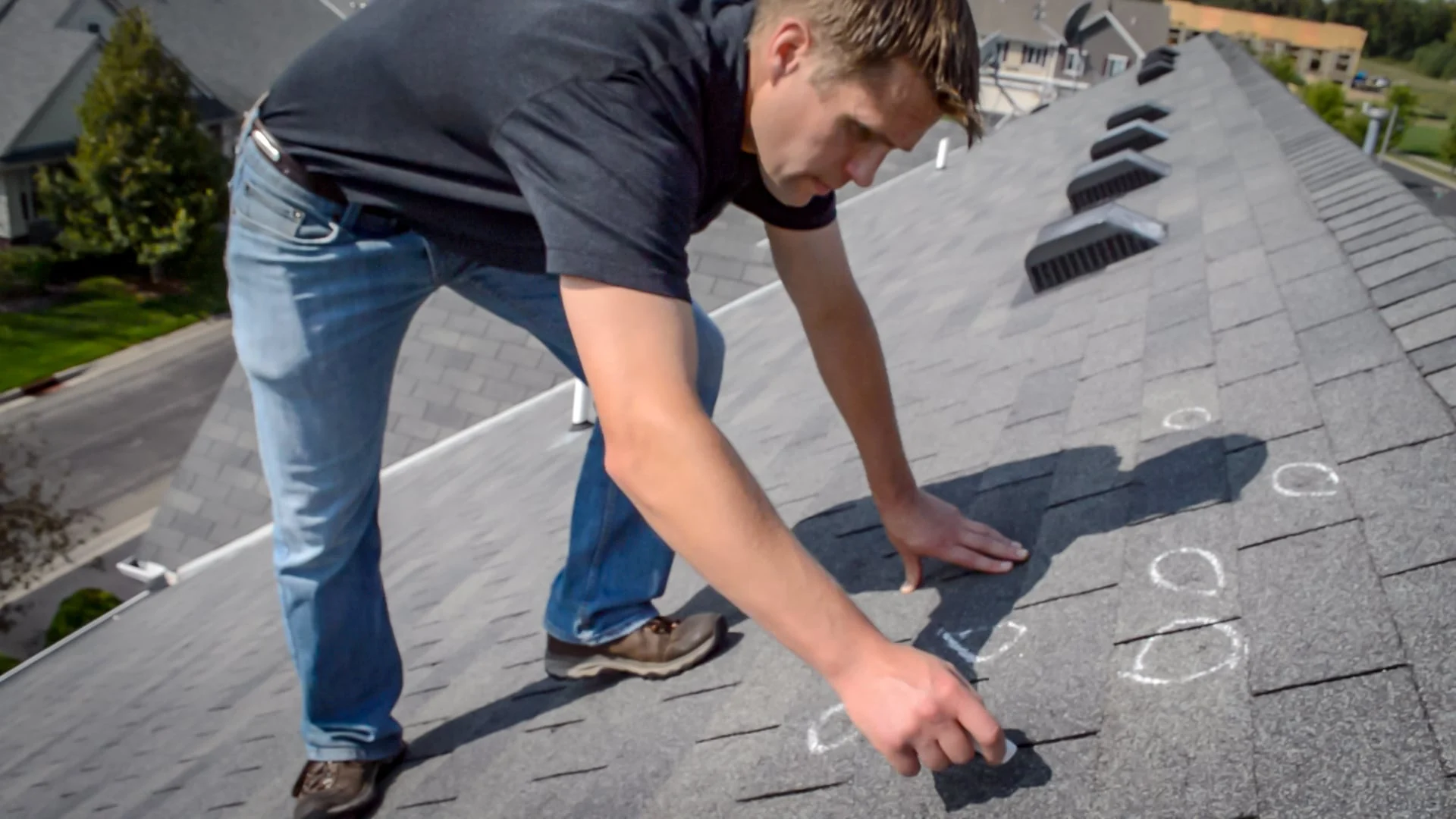
Hail impact on a single-ply or modified bitumen roof rarely announces itself. It shows up as bruising you can feel more than see, small mat fractures under the surface, granule loss on cap sheets, or soft spots where the impact compressed the insulation below. We walk the roof in a grid pattern tied to the storm track, mark impact points, and note where the pattern is consistent with hail rather than foot traffic or age-related wear.
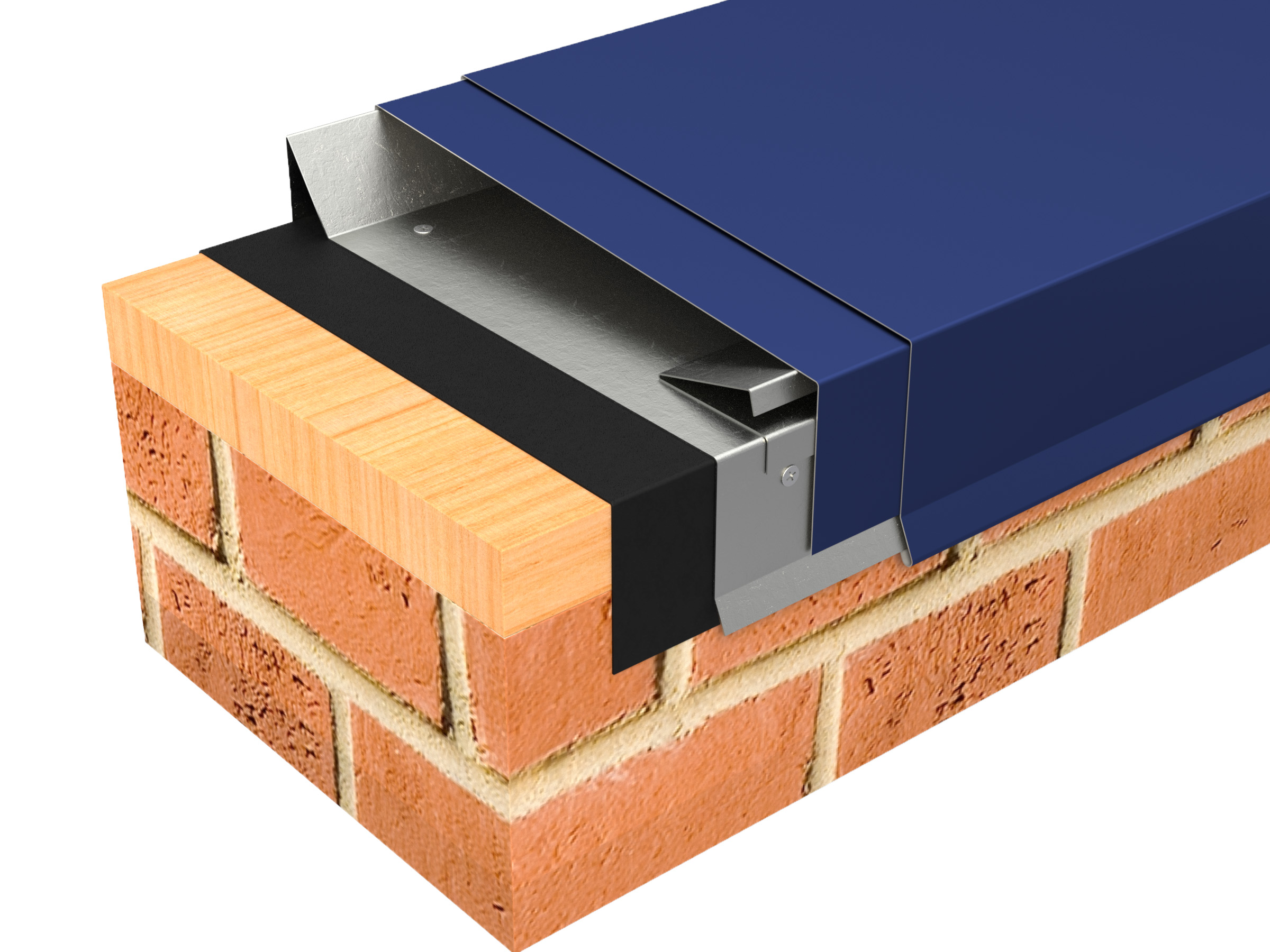
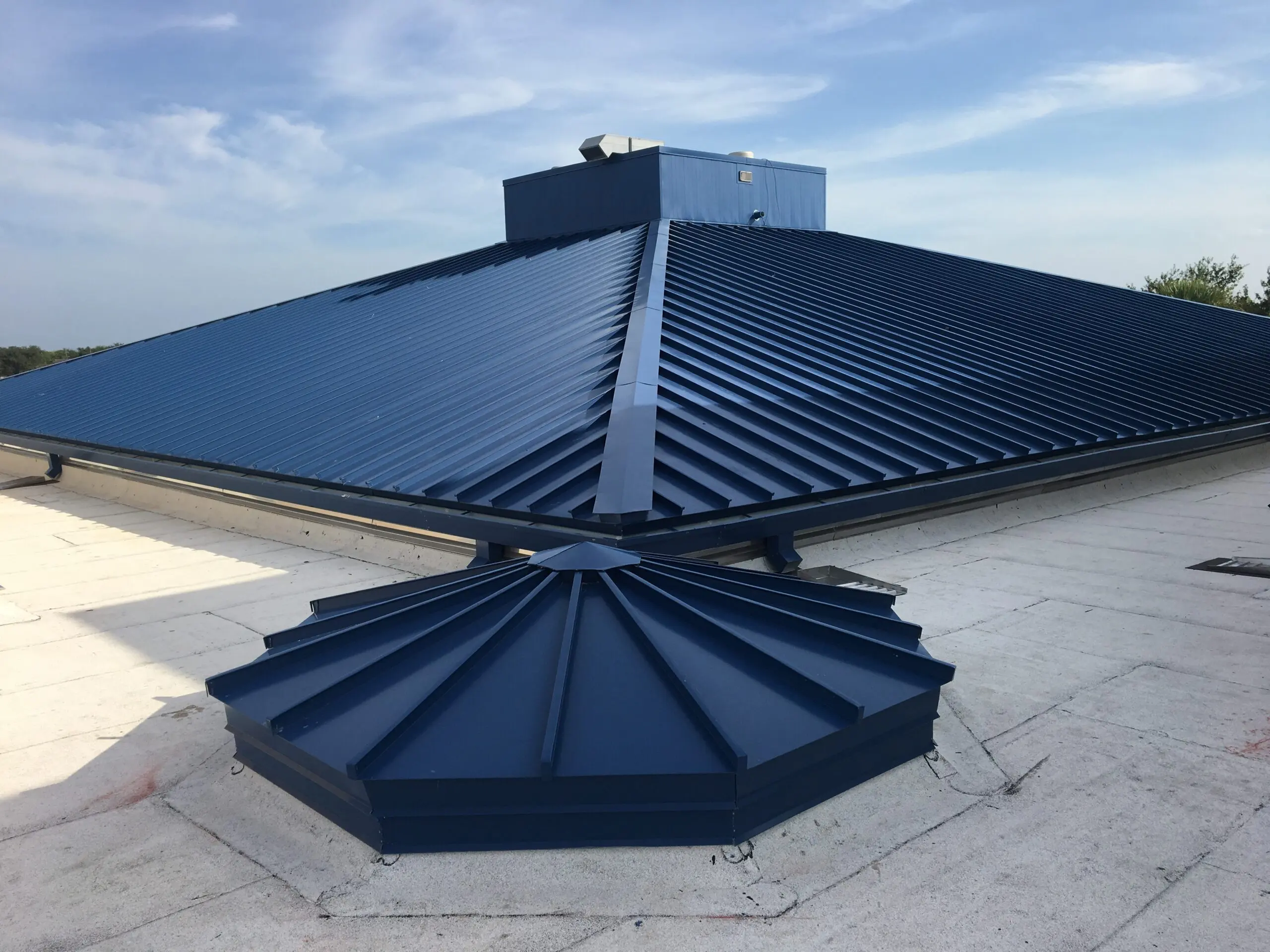
Metal takes hail differently than membrane. Standing seam panels, R-panel roofing, edge metal, coping caps, and rooftop unit housings can show visible denting that's easier to document but still needs measurement — dent size, spacing, and depth all factor into whether an adjuster treats a metal roof section as functionally damaged or cosmetically marked.
When hail damage is disputed, a test cut or core sample can settle the question. We can pull a small membrane sample from a documented impact point to show mat fracture or granule loss below the surface, which is often the difference between a denied claim and an approved one on an older roof where prior wear is already part of the conversation.
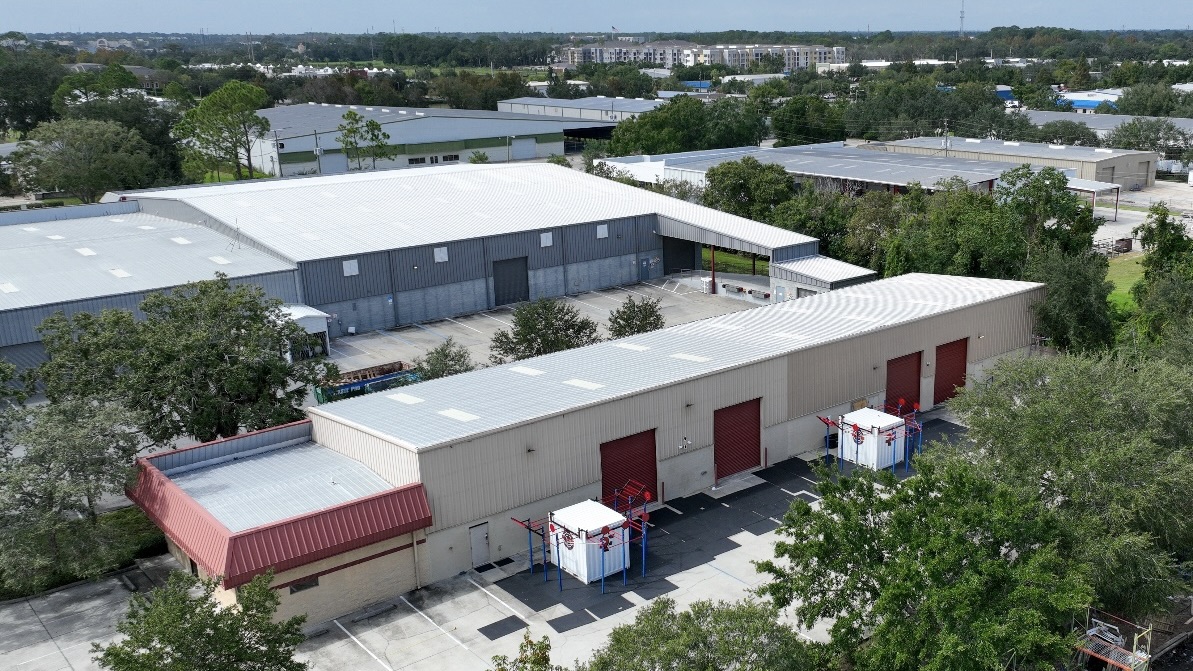
Billings sees enough hail activity that we've walked roofs across the city's building stock: warehouse and logistics roofs near the rail corridor, retail and restaurant roofs along the commercial strips, and healthcare and office buildings downtown. Each has a different roof system and a different tolerance for hail exposure, and the claim documentation has to match the actual roof, not a generic hail-damage checklist.
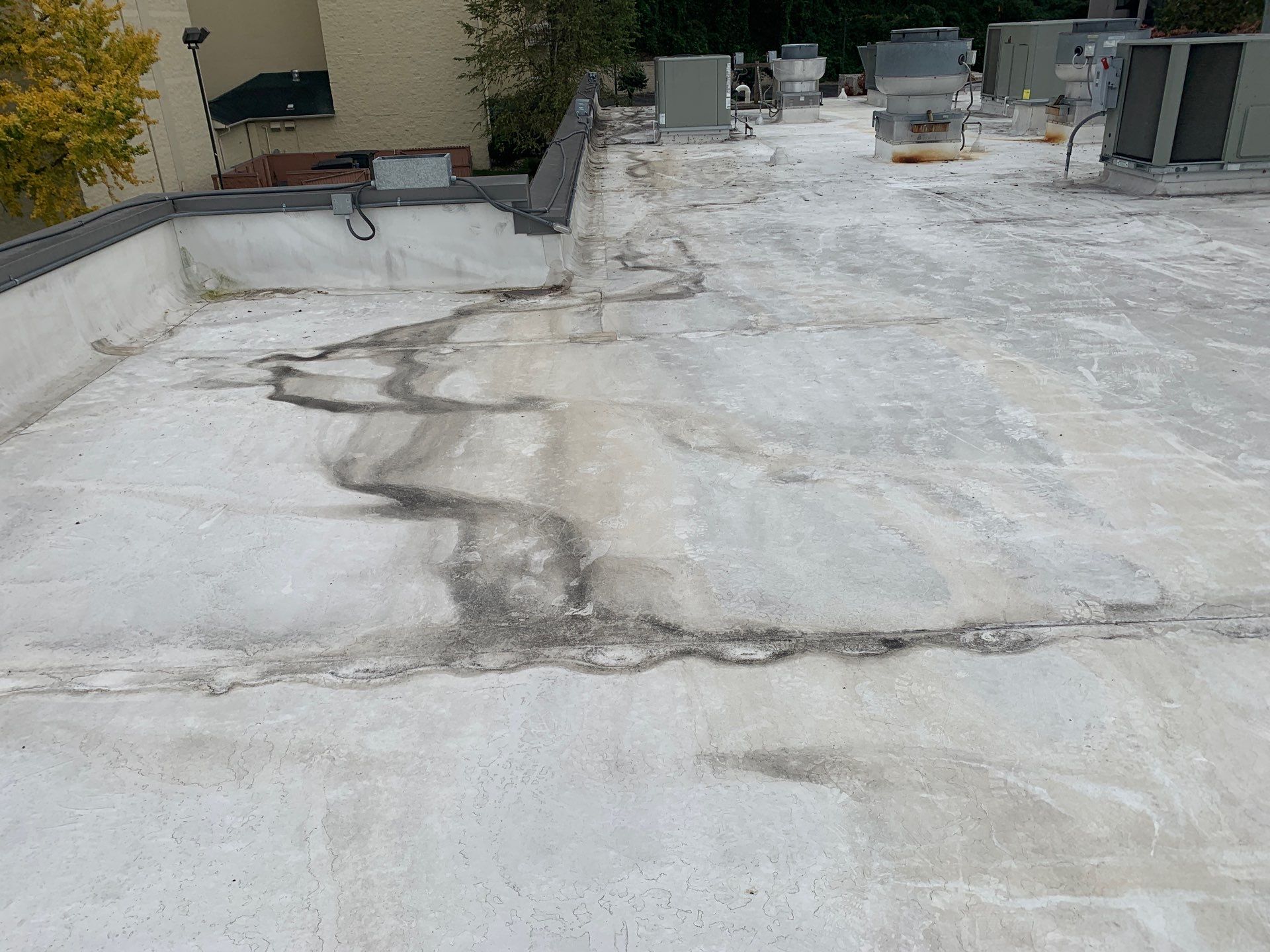
We photograph and measure every impact zone, tie the findings to the storm date when it's known, and separate hail damage from pre-existing wear like UV-aged seams, ponding-related deterioration, or prior patch work. That separation protects the claim: an adjuster who can clearly see which damage is storm-related has less reason to trim the scope down to a handful of visible dents.
The full-scope framing matters especially on hail claims because the visible damage is often the smallest part of the real repair. A roof with scattered membrane bruising across most of its surface may need a full recover or replacement rather than spot patches, since patching around dozens of impact points on an aging membrane rarely holds up. We itemize that reasoning in the scope so the claim reflects the roof's actual condition rather than only the easiest-to-see damage.
If your insurer's initial estimate covered only a portion of the roof or treated the damage as cosmetic, we can re-inspect specific zones, provide additional photos or core samples, and give you documentation to bring back into the claims conversation. We don't negotiate the payout or represent you against the insurer — that stays between you and your adjuster — but the roof evidence should hold up either way.
Hail claims move faster with good timing. If you suspect hail damage after a storm, the roof holds the evidence longest before weathering and foot traffic blur the pattern, so an inspection soon after the event gives the strongest record.