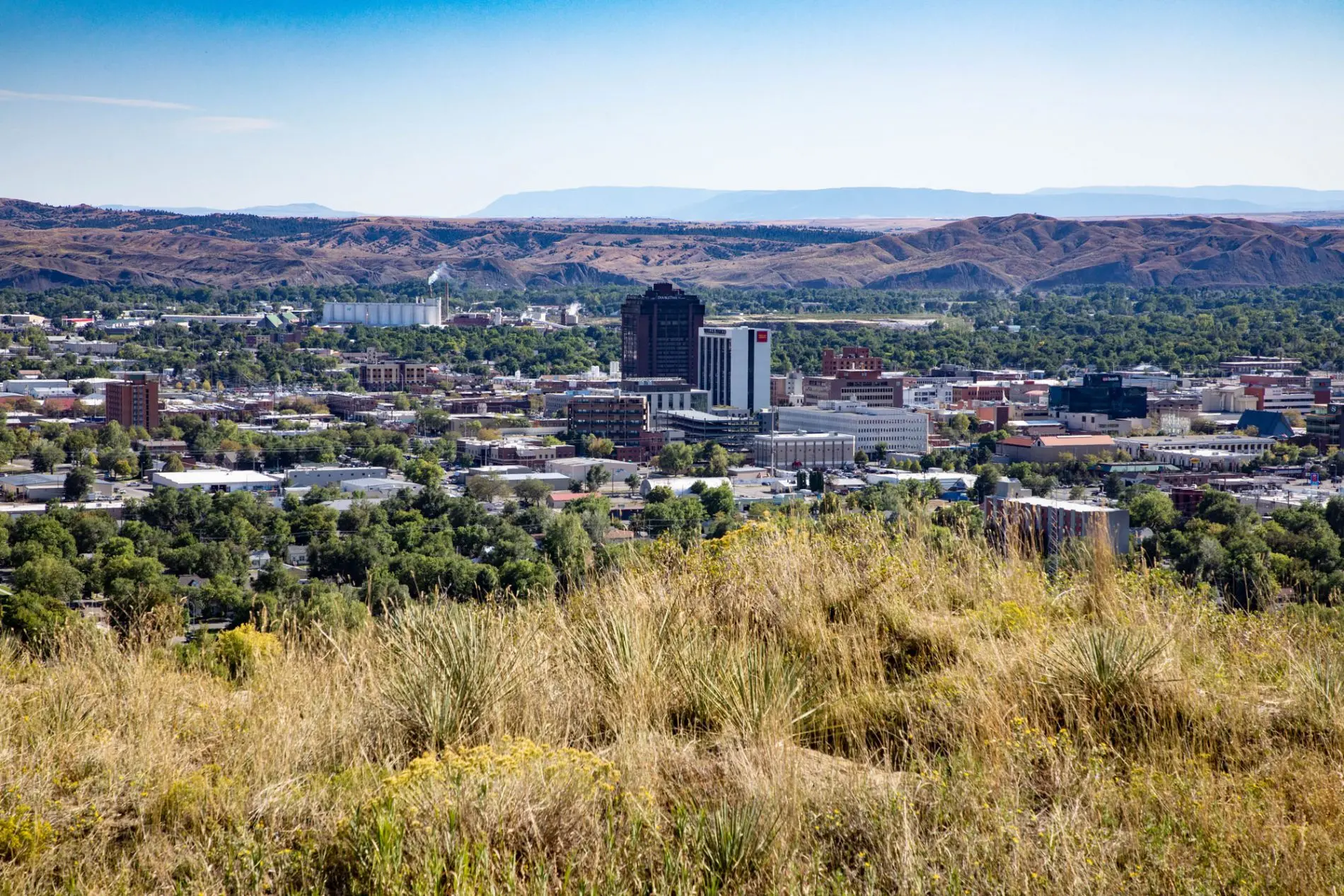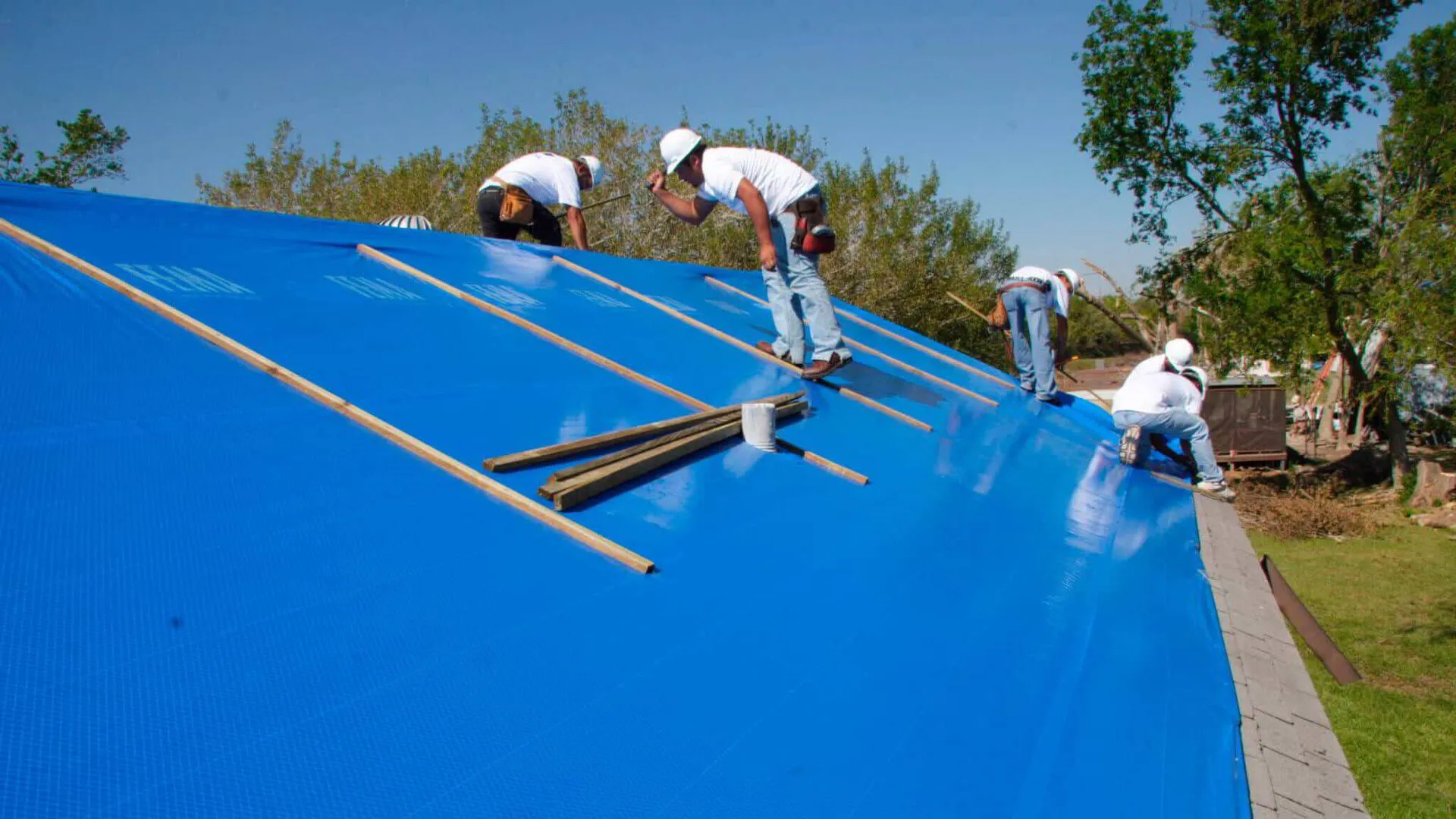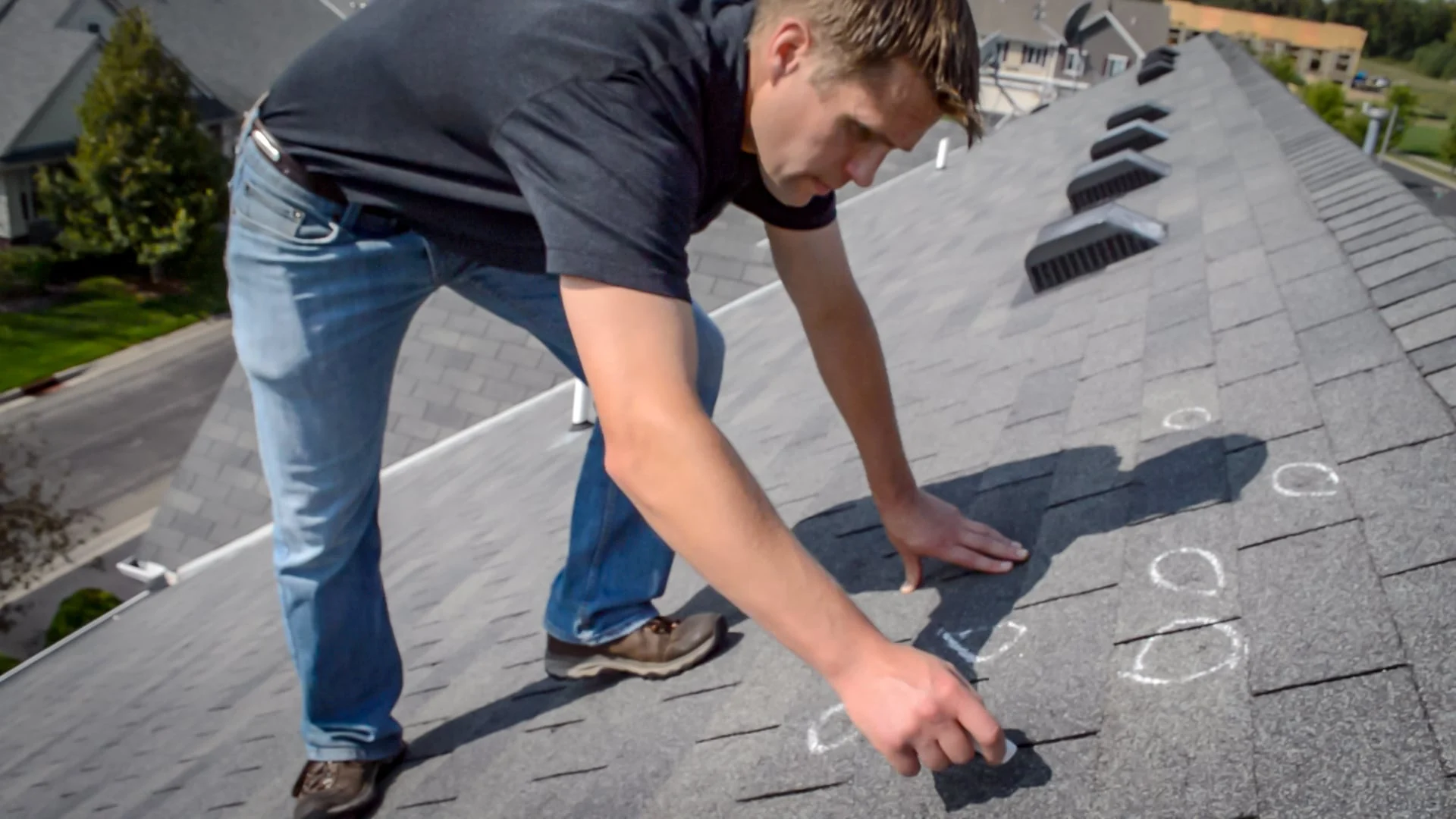
Billings sits where the Rims and the Beartooth Front funnel Chinook winds down onto the valley floor, and the same open plains that give the city its skyline also feed severe thunderstorm winds through the growing season. Both wind sources hit a commercial roof the same way — at the edge first, then working inward through seams and rooftop equipment — and a wind claim needs documentation that follows that pattern, not a note that simply says 'wind damage.'
We're your roofing contractor, not a public adjuster — we inspect, document, and substantiate wind damage so you and your insurance adjuster are working from an accurate scope, not an assumption about what a gust event actually did.
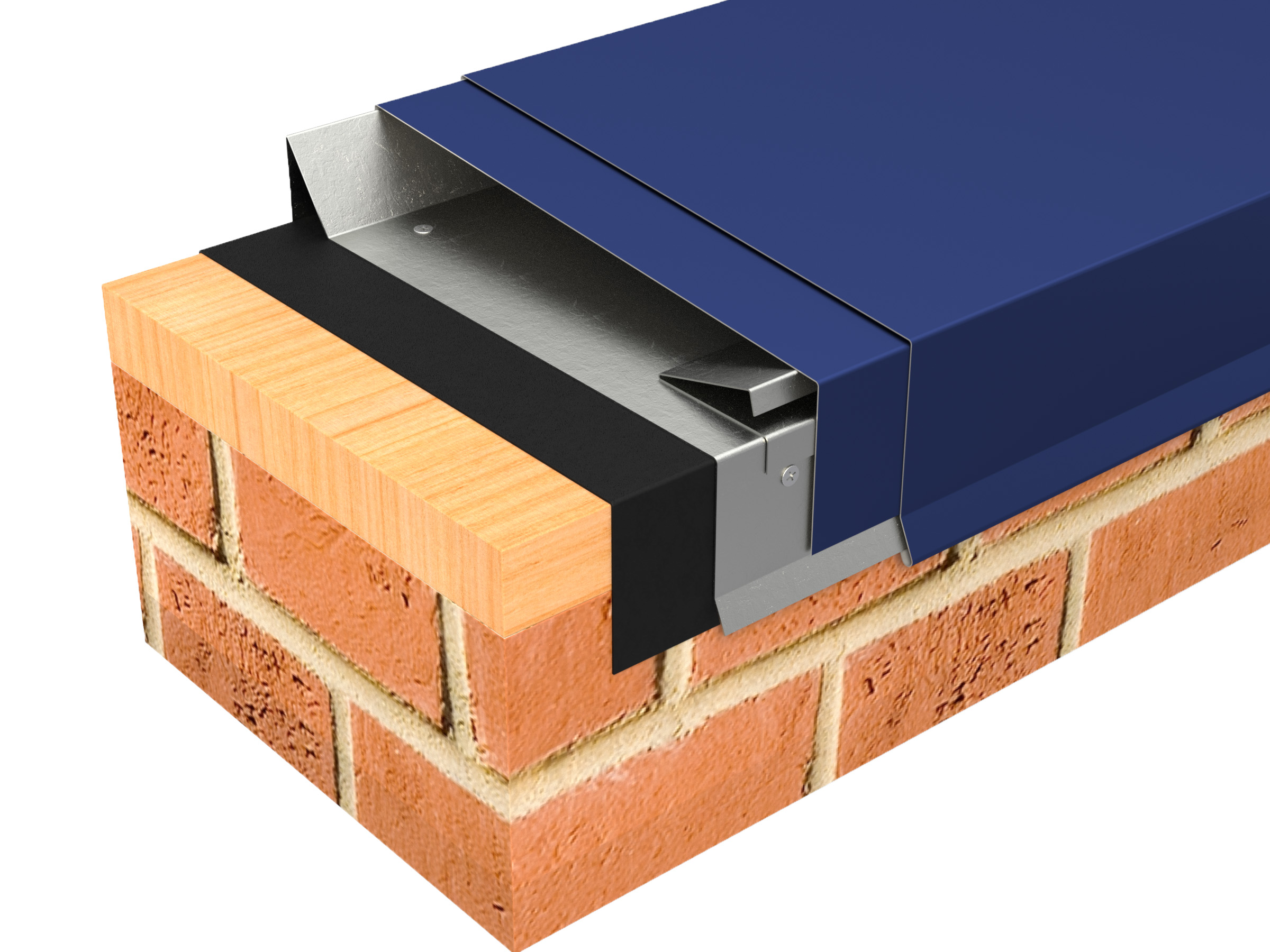
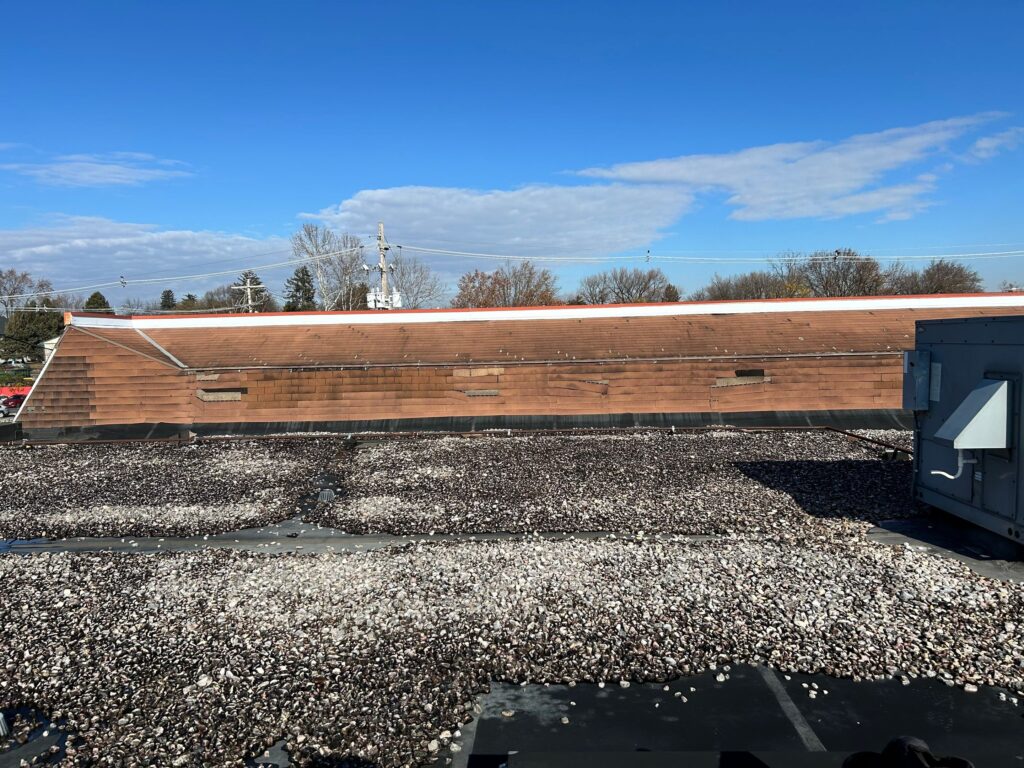
Edge metal and coping are almost always the first thing to move in a wind event. Sustained Chinook gusts or a fast-moving thunderstorm cell can lift coping caps, pull edge metal fasteners, or peel back a parapet cap enough to expose the membrane underneath. We check the entire roof perimeter, beyond the section an owner already noticed, since wind damage at one corner often means stress at others that hasn't failed yet.
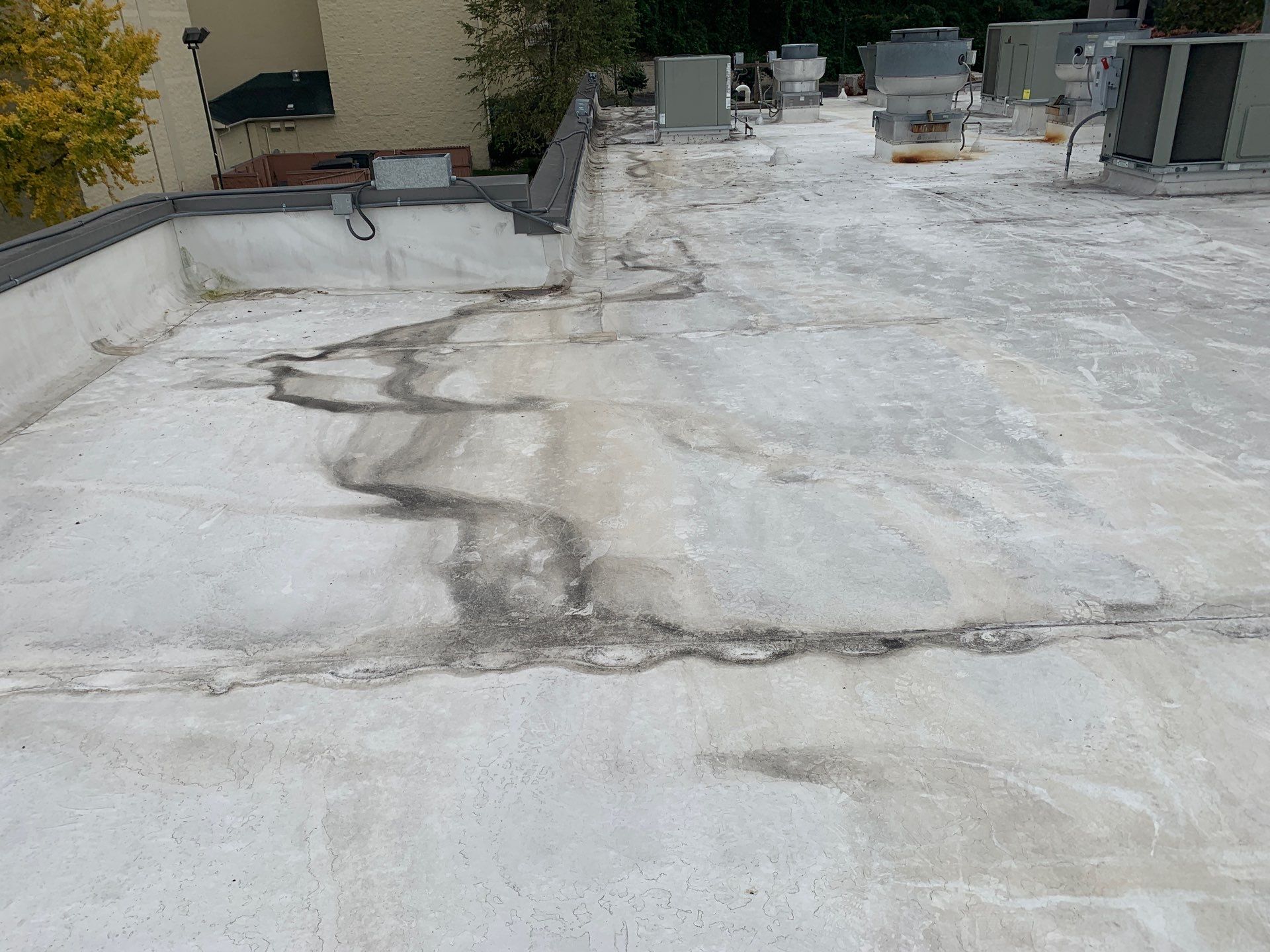
Once wind gets under an edge or a seam, it can lift field membrane in a way that's easy to miss from the ground but obvious on the roof — a section that's no longer fully adhered, a seam that's separated a few inches, or fastener patterns that have pulled loose. We document seam and field-sheet condition across the roof, beyond the point of visible failure, because a compromised roof under one seam often means nearby seams took the same stress.
Rooftop equipment is a common casualty of high wind that's easy to overlook in a roof claim. Curb flashing, unit anchor points, and dunnage supporting HVAC or exhaust equipment can shift or fail under sustained gusts, and a unit that's still running doesn't always mean its curb seal held. We check equipment curbs and anchor points as part of a wind inspection, since a leak there often gets misdiagnosed as a membrane problem instead of a curb-flashing failure.
Storm damage in Montana rarely arrives alone. A thunderstorm cell that brings damaging wind often brings hail in the same pass, and separating wind-caused membrane lifting from hail-caused bruising matters for how the claim is scoped. We document both where they're present and note which damage pattern is consistent with which event, so the claim isn't oversimplified into a single cause.
Building type changes what a wind inspection needs to cover. Warehouse and logistics roofs near the Billings rail corridor tend to have large, exposed roof fields where wind uplift can travel a long way before it's stopped by a parapet or expansion joint. Retail and restaurant roofs along commercial strips often carry more rooftop equipment per square foot, which means more curb points to check. Ag and ranch-support buildings, common across the wider Montana service area, often have simpler roof geometry but larger unsupported spans, which changes how far a single uplift point can spread before it's caught.
Complete-scope framing on a wind claim means accounting for damage that hasn't become a leak yet. A lifted seam that's still mostly adhered or a coping cap that's loose but not gone will keep failing under the next wind event if it's left off the scope. We itemize those conditions alongside active damage so the repair addresses the roof's actual wind exposure rather than only the spots that are already leaking.
If a wind claim comes back limited to only the most visible damage, we can re-inspect the full perimeter and rooftop equipment, and provide additional documentation for areas the initial estimate may have missed. That documentation goes to you to bring back into the claims conversation; we don't negotiate the claim ourselves.
Wind damage evidence weathers fast — a lifted seam can reseat under sun and heat, and loose coping can work itself the rest of the way off in the next storm. If you suspect wind damage after a Chinook event or a summer storm cell, an inspection soon after gives the clearest record of what actually happened.